Redefining the
Redefining the Efficiency and Sustainability of Data Center Cooling
Increase Performance. Enhance Sustainability. Optimize TCO.

Increase Performance. Enhance Sustainability. Optimize TCO.
No One Cools Data Centers Like GRC
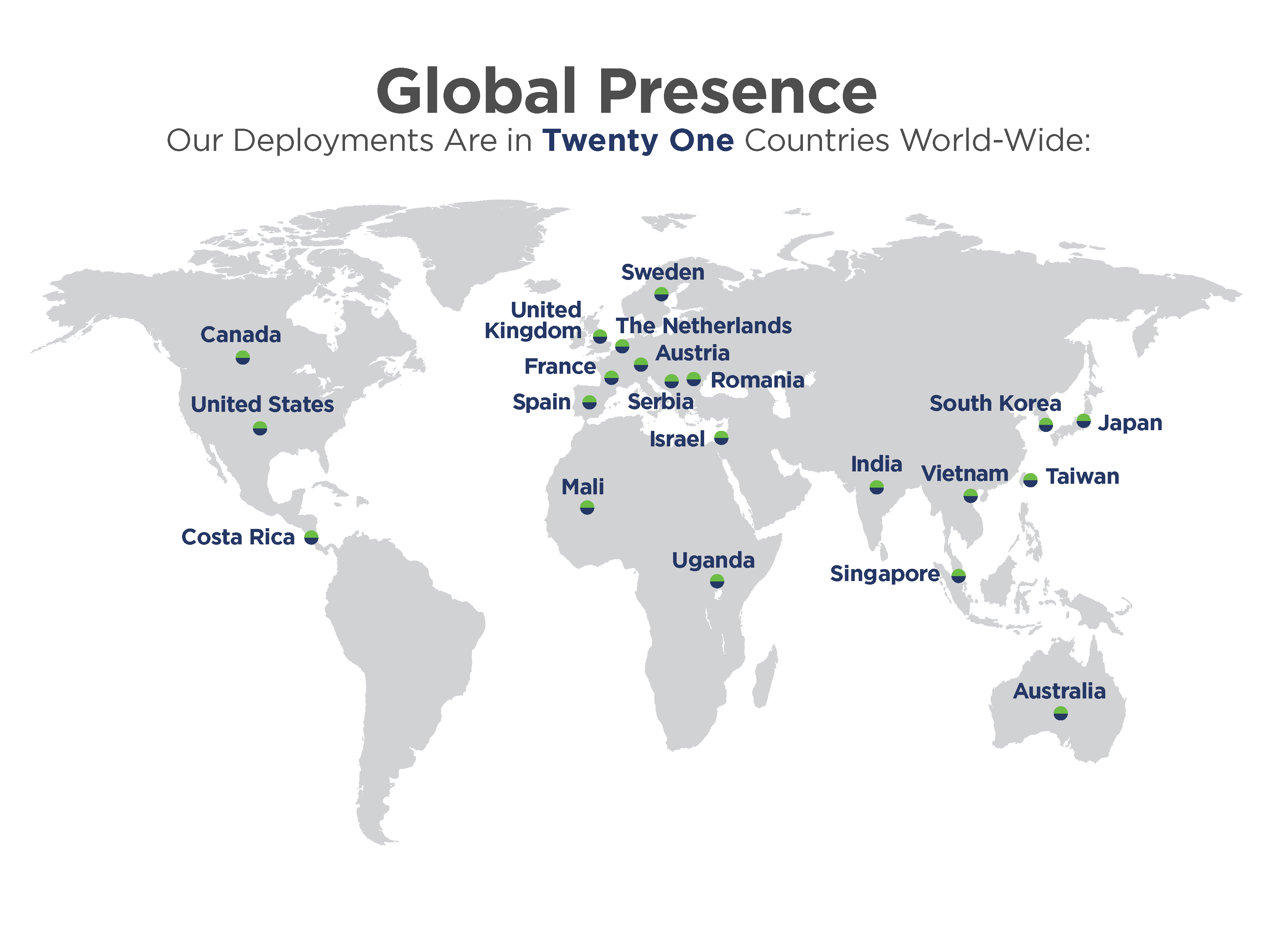
That’s the cold truth. No other company has the history, global presence or expertise in liquid immersion cooling that we do. GRC has been breaking through limitations and setting new standards of data center cooling and efficiency for over a decade, providing patented technology that increases performance, enhances sustainability, and optimizes TCO.
Increase Performance
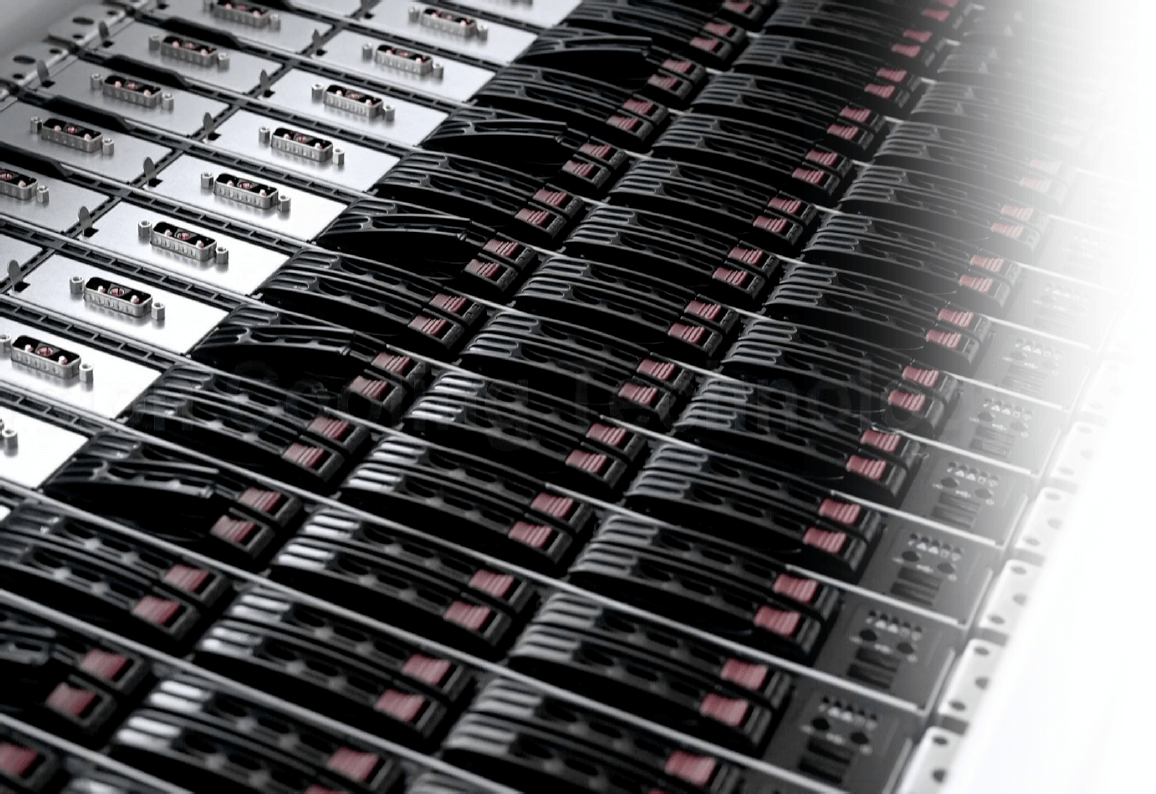
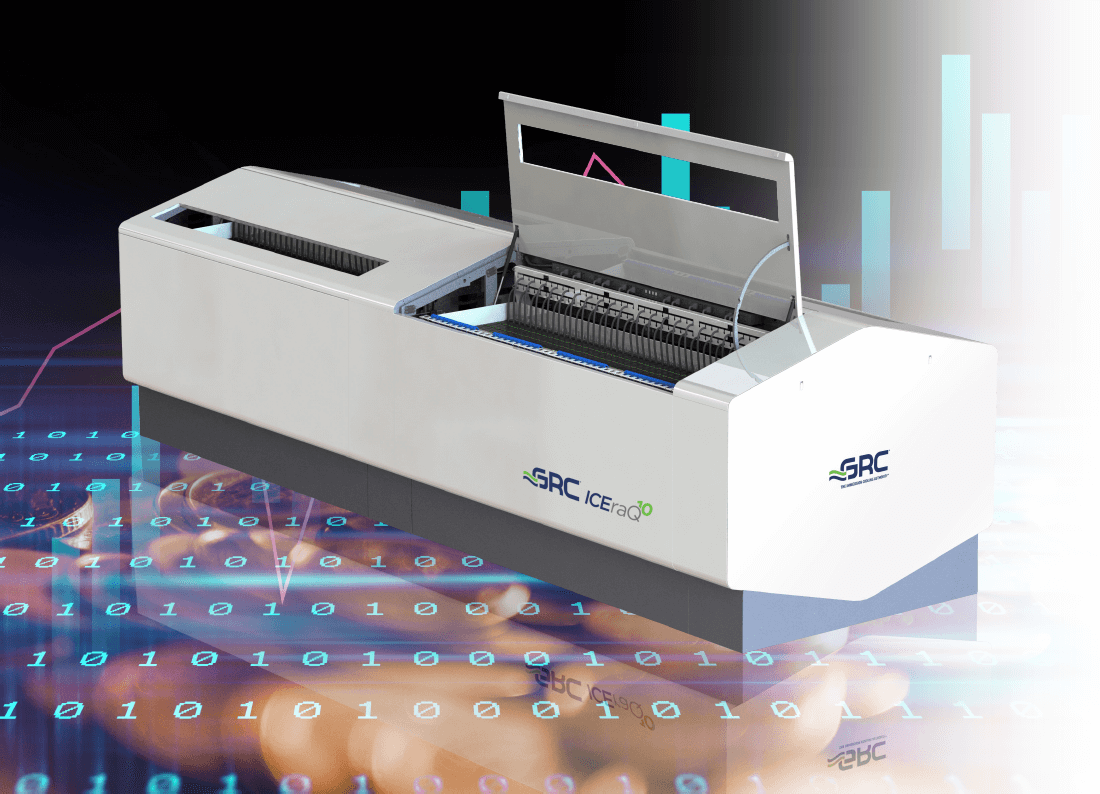
Immersion cooling eliminates conventional power-intensive air-cooling infrastructure, transforming your data center density by providing up to 368 kW of cooling per ICEraQ system (up to 2,200 W/sq.ft.!). Servers converted for immersion also consume an average of 11% less energy. Plus, the single-phase, liquid-cooled environment also increases reliability, reduces downtime, and provides vastly increased capacity without the costs, risks and complexity of other liquid cooling solutions.

GRC Immersion Cooling
Increases Data Center Performance Across the Board


Enhance Sustainability
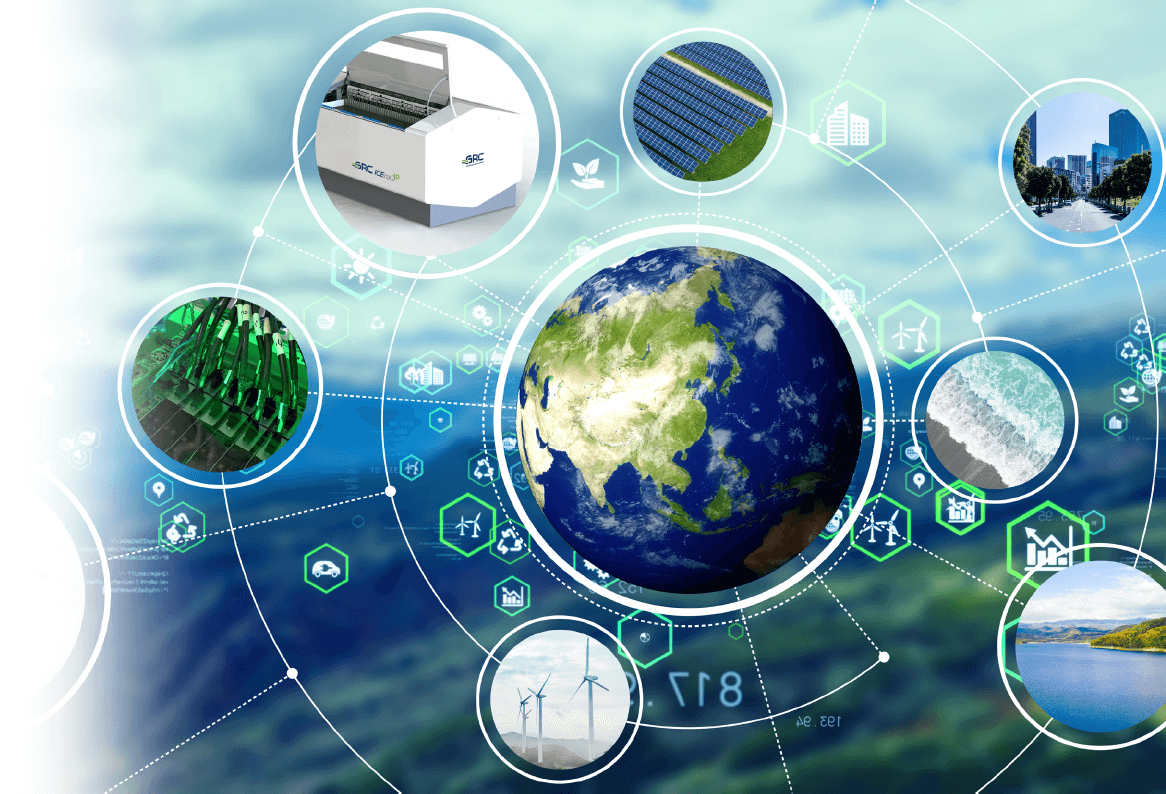
At GRC sustainability has been a focus since day one, and our new Series 10 system is our “greenest” system yet. With a pPUE of <1.03 it can reduce data center power consumption dedicated to cooling by as much as 90%, dramatically reducing water use and carbon emissions associated with power consumption as well. In addition, ElectroSafe fluids are non-toxic, readily biodegradable, non-evaporative, and have zero global warming potential (GWP).
GRC Immersion Cooling
Leads the Charge in Reducing Power Consumption

Optimize TCO
Work the numbers and see how immersion cooling works harder for you. When compared with conventional air-cooled data centers, immersion cooling cuts power consumption for IT cooling by up to 90%, decreases CapEx by cutting back on costly air-cooling infrastructure, and drives significant OpEx savings directly to the bottom line. How much can GRC immersion cooling save you? Our TCO Calculator has the answers.

Estimate Your Total Savings with our
TCO Calculator


Cost Effective

Future Proof

Scaleable

Agile

Resilient

Efficient
Cost-Effective
Cut data center construction costs up to 50%. Eliminate chillers, CRACs, CRAHs, raised floors and downsize power & backup infrastructure.

Future Proof
Cool the most powerful servers — up to 100 kW/rack —and capitalize on emerging advanced processing applications.

Scalable
Reduce planning & forecasting. Our racks are fully-integrated, micro data centers – easily add capacity as your operation grows.”

Resilient
Eliminate fan vibrations, dust and moisture contamination, oxidation risks, and remove data center hot spots.

Fast & Flexible
GRC liquid immersion cooling solutions can be located in virtually any environment—and be up and running within weeks, not months.

Power Efficient
Experience a <1.05 PUE, a 10-20% server load reduction plus a total peak and average power reduction of ~50%.
Cost-Effective
Cut data center construction costs up to 50%. Eliminate chillers, CRACs, CRAHs, raised floors and downsize power & backup infrastructure.
Future Proof
Cool the most powerful servers — up to 100 kW/rack —and capitalize on emerging advanced processing applications.
Scalable
Reduce planning & forecasting. Our racks are fully-integrated, micro data centers – easily add capacity as your operation grows.”
Resilient
Eliminate fan vibrations, dust and moisture contamination, oxidation risks, and remove data center hot spots.
Fast & Flexible
GRC liquid immersion cooling solutions can be located in virtually any environment—and be up and running within weeks, not months.
Power Efficient
Experience a <1.05 PUE, a 10-20% server load reduction plus a total peak and average power reduction of ~50%.
Exceeding Expectations for Immersion Cooling Around the World.


Power Up & Cool Down
Discover How to Bring the Most Efficient Cooling Technology to Your Data Center