
Demand for digital services is only moving in one direction—on the increase. As we catapult ever faster into a digital-first economy, “Big Tech” becomes more and more integral to our lives. But as these businesses take the reins of our world, they run into a host of forward-thinking considerations. Among these challenges: how can big tech prioritize sustainability in the data center, so that this digital-first world has longevity?
It’s not as if this is a brand-new concern. Big Tech is aware of the sustainability concern and has been working on solutions. But what still stands in the way? What challenges still present impediments to full data center sustainability—and are there untapped solutions already waiting to help?
Whether it’s alternative energy, waste management, resource conservation, or any number of other challenges, there’s a lot for Big Tech to consider for the future. But solutions like GRC’s liquid immersion cooling can help these entities make a big leap toward full data center sustainability—starting today.
The Challenges of Data Center Sustainability
The process of “going green”—or, more particularly, achieving data center sustainability—can prove difficult. Considering the many facets involved, many Big Tech firms don’t know where to start, or have already assumed some sunk costs, whether necessary or not.
Let’s consider a few of the biggest perceived impediments to sustainability in the data center, as well as some solutions already in the market to help.
Renewable Energy
Renewable energy is cost-effective, safe, and clean. Considering these advantages, it’s a wonder that these options played second fiddle to pollutant-heavy legacy energy sources like coal, oil, and gas for so long. Thankfully, change is on the horizon as industries around the world shift en masse toward a renewables-first approach. In fact, just this year, solar investment surpassed oil for the first time.
But while many industries are embracing renewable energy, data centers are still lagging behind. More facilities must transition to clean energy sources like solar, wind, and geothermal ASAP to achieve sustainability—but also to remain competitive. The good news is there are now multiple realistic and business-friendly ways to do so.
One of the key business advantages of renewable energy is that, if implemented correctly, it puts you in direct control of your energy production and consumption. Big tech can install renewable power directly on site; for instance, you can deploy solar panels to generate electricity right on the data center. Rather than depend on the whims of a volatile (but ever expensive) fossil fuel market, you can generate your own power.
Of course, not every business is interested in adding power generation to an already long list of maintenance activities. There are also indirect methods to convert to green energy, such as signing agreements with like minded power utilities.
Waste Management
Equally important as the energy you take in is the energy you put out due to your operations. Like any large-scale operation, Big Tech produces its fair share of waste. But how you regulate and contain this waste has massive consequences for the environment. It can be a huge boost to your sustainability efforts if managed well, or a mighty detriment if not.
Some of the worst offenders of data center waste are electronics and heat. Electronic waste (or e-waste) occurs when Big Tech companies toss servers, storage devices, and other equipment into the trash. Electronics recycling programs can mitigate the effects of e-waste.
Heat waste on the other hand, is a bit less obvious: the byproduct of inefficient cooling systems or IT hardware. Consider how much “waste heat” your operations generate. In most data centers, it comes in two prongs:
- The heat your servers naturally generate as they work
- The heat that inefficient air-cooling systems generate trying to dispel the server heat into the wider environment
Many Big Tech operations simply assume this is a sunk cost, like with the energy source debate. However—also much like with the energy source debate—solutions already exist to change that, and in a way that will lower your costs.
For example, Green Revolution Cooling’s (GRC) systems use liquid immersion to remove heat in a more sustainable manner, rather than expending substantially more energy in order to combat the effects of using energy in the first place. Only a tiny fraction of cooling electricity is used—and the waste heat remains in a liquid form, which is more practical to reuse.
Water Conservation
Water is one of the most essential resources for data centers and for life in general. Considering this, water conservation in the data center should rank among big tech’s top concerns; however, water waste continues to be a primary weak point of these facilities.
A large part of this water waste is due to cooling requirements. Data centers must cool their servers, but conventional air cooling wastes a lot of water. By contrast, immersion cooling effectively eliminates this water waste. As such, upgrading to immersion cooling is a big step tech companies can take toward water conservation and data center sustainability. It’s profitable, too, as immersion cooling has a lower total cost than ineffectual air cooling.
Take Your First Big Step Toward Data Center Sustainability With GRC
While the green revolution is exciting in the abstract, many Big Tech operations have been reticent to jump in full force, working with the misunderstanding that these solutions are either costly or in a far-off future. Whether it’s energy sources, waste management, or water conservation, many companies assume—incorrectly—they have no other choice yet.
Full sustainability is a multi-pronged effort, but you can make your first big leap in the right direction today with liquid immersion cooling from GRC. Attack your operation’s waste right at the biggest source: mitigate your heat expenditure and conserve water at the same time.
With deployments in 21 countries around the world, GRC’s liquid immersion cooling systems are well-tested and already in widespread use. Are you ready to make the jump to data center sustainability and save money in the process? Reach out today and let’s transform your data center.
Data makes the world go ’round, more and more every day. Companies are increasingly migrating to the cloud, the work-from-home revolution sees more employees logging in remotely than ever before, and people rely on mobile apps for many basic daily functions. It’s no wonder then that data center energy consumption is rising steeply worldwide.
But as big data expands, so too do the attendant CO2 emissions. Therefore, it’s more critical than ever that companies take proactive measures to achieve sustainability. “Clean” data centers are becoming more of an imperative if we hope to sustain the data-driven economy that only becomes more integral every day.
Yet many data center operators are still skeptical of the feasibility of transitioning from traditional data center systems to more eco-friendly solutions. For example, the switch from air-cooling systems to liquid immersion cooling systems can save both your company and the environment immensely. Yet many companies still operate under the presumption that liquid immersion cooling technology is either too expensive, too complicated, or too new to consider seriously.
This presumption is somewhat unfounded. Let’s unpack the reality of the situation and explore why pivoting to a greener, cleaner data center with GRC is easier than you might think.
The Usual Concerns Just Don’t Apply to Liquid Cooling
Transitioning your current data center into one more environmentally conscious is a process. Undoubtedly one of the biggest costs of a data center—both in terms of your budget and environmental impact—comes in the form of cooling. Therefore, switching to a liquid immersion cooling system can help your data center make a mighty leap toward green efficiency ASAP.
When operators and designers look at choosing more sustainable solutions, their reticence typically stems from three general concerns. Operators and designers worry about:
- Cost, as new solutions tend to be more expensive than the legacy solution being replaced
- Complexity, since newer systems often involve more training for staff than they’re currently used to in order to get up to speed
- Newness, specifically, whether these technologies have been properly tested or proven in the field over time yet
And certainly, this can be true for some solutions. But when it comes to single-phase liquid immersion cooling systems (like those from GRC), none of these concerns apply!
Let’s dive deeper into why exactly the normal worries about the transition to a greener data center don’t bog down GRC’s liquid immersion cooling system.
Cost
The usual worries about the cost of new equipment simply are not relevant to liquid immersion cooling systems like GRC’s. Traditional, air-cooled data centers come with an excess of ancillary infrastructure such as in-row cooling, air-handling systems, backup generators, and the like. The solution depends on a whole ecosystem of interrelated parts, each of which requires extensive (and expensive) maintenance.
In contrast, liquid immersion cooling systems are simple and straightforward. The liquid does all the work on its own; you don’t need to keep tabs on multiple different parts to keep your cooling system working. In addition, the drastic drop in energy expenses—as you no longer have to expend as much energy cooling off your data center—compounds your savings. This cash influx is often more than enough to pay for the system in just a matter of months.
Complexity
As mentioned above, from a data center design perspective, immersion cooling solutions like those offered by GRC are simply less complicated than traditional air-cooling infrastructure. This means there’s actually less to brief employees on when it comes to system maintenance; it also means there are fewer points of potential failure to track.
And when it comes to the commitment itself, servicing the equipment is no more complex with a liquid immersion system. You can still remove one server at a time and service it right at the rack, without taking the rest of the system down with it; no different than with an air-cooled server.
Liquid immersion cooling may even simplify maintenance processes when it comes to your servers. Fans are the primary cause of server failure. Liquid immersion cooling obviates the need for these fans. Also, the fluid in which the servers are immersed protects them from other potential problems such as vibration, condensation, static, dust, and so on. As a result, servers immersed in liquid immersion systems tend to require less service in the first place.
Newness
Understandably, any company would have reservations about implementing new systems. For data centers in particular, messing with your cooling system—which is so integral to every other operation—can seem particularly daunting. How can you trust something so new? No one wants their business to be the test case.
Fair enough, but immersion cooling is not a new concept at all. Immersion cooling has been in use in high-tech applications for decades; and the use of dielectric fluids with electrical equipment dates back to the beginning of the power grid.
GRC has provided these solutions for 12 years now, with resounding success. The conversation about green solutions for the data center may be new, but the efficacy of liquid immersion cooling is well-proven at this point.
Take Your First Leap Toward a Green Data Center Today With GRC
Transitioning to a greener data center may seem like a daunting and costly venture, but you don’t have to do it all overnight. You can start quickly and easily by replacing one of the prime offenders in the traditional data center; the air cooling system.
Liquid immersion cooling systems like GRC’s present a path toward sustainability that dodges all the usual concerns about green tech. It’s cheaper and less complex than legacy solutions and has a time-tested track record. There’s no risk, only reward.
With the global green data center market projected to reach $140.3 billion in 2026, now’s the time to make the switch if you want to keep ahead of the curve. Ready to take the next step? Reach out to GRC today where we’ve been providing liquid immersion cooling systems since 2009. Our industry-leading solutions will help make your data center operations more sustainable and more cost-effective.
Reduced cost and better performance are just two of the advantages driving the move from air cooling to liquid immersion cooling. It’s an inevitable process and plenty of industries have already raced to get ahead of the game with the transition.
Among the biggest beneficiaries of switching to liquid immersion cooling are data centers, cryptocurrency miners, electric vehicles, and industrial manufacturing. All four of these areas are experiencing tremendous advancements to keep society moving forward.
When you look at the immense benefits of today’s best cooling solutions—including real-world examples—the merits of upgrading to liquid immersion become obvious. Higher efficiency results in financial savings and environmental conservation. It’s simply the smart way to cool modern equipment.
Revolutionizing Efficiency: Immersion Cooling in Data Centers
Data centers are the use-case par excellence for immersion technology systems. At a time when processors need to draw out every last bit of performance, the greater efficiency of liquid immersion cooling can be a gamechanger. Data centers upgrading from air to immersion systems cut their electricity costs and emissions while enabling far higher server densities, all of which has a transformative impact on data centers.
Immersion cooling solutions like GRC’s also have other benefits. For example, you can add capacity fast and without the extensive modifications or infrastructure required for air cooling. Furthermore, liquid immersion works anywhere, from traditional data centers to warehouses or shipping containers in the great outdoors.
There are countless other advantages to immersion cooling solutions. These systems block out dust and pollutants, prevent corrosion, reduce noise, and enable heat reuse. In addition, you can dispense with the excessive use of generators, battery backups, chillers and air handlers, raised floors, and other costly inconveniences that come with air cooling.
Immersion cooling is driving nothing short of a revolution in data center operations. This includes major tech groups, such as Intel and Microsoft. Military and government agencies are also deploying immersion cooling from GRC, as are data centers across multiple industries. Moreover, new standards are emerging around liquid immersion as it rapidly becomes the cooling technology of the future.
Cooling the Future: Immersion Cooling in Cryptocurrency Mining

In recent years, a new type of currency has been strengthening its hold on the market—and it calls for immersion cooling solutions. Cryptocurrency mining generates digital money, which can be used for purchasing or investing. However, as a byproduct, it also produces a lot of heat.
Immersion cooling can help cryptocurrency miners achieve unprecedented scale. Heat stands out as one of the main challenges. By lifting the caps on mining rig density, crypto miners will be able to realize greater revenues while supporting the transition to secure digital currency.
With immersion cooling technologies such as GRC’s HashRaQ installed, mining operations can save money on cooling and dissipate more heat than current alternatives. This means being able to run the hardware faster, thus maximizing earning potential. It’s also easier to build and maintain facilities, as immersion cooling systems have fewer dependencies than their air-cooling counterparts.
Big crypto players are already using immersion cooling. A case in point is the Nasdaq-listed Bitcoin miner Riot Blockchain, which has installed 200 megawatts of immersion cooling hardware. That’s enough to support 46,000 mining devices. Another blockchain company, Bitfury, has deployed several of the largest liquid cooling systems in hyperscale mining centers. The processor density necessary to mine productively is simply too high for anything but immersion technology.
Electrifying Performance: Immersion Cooling in Electric Vehicles
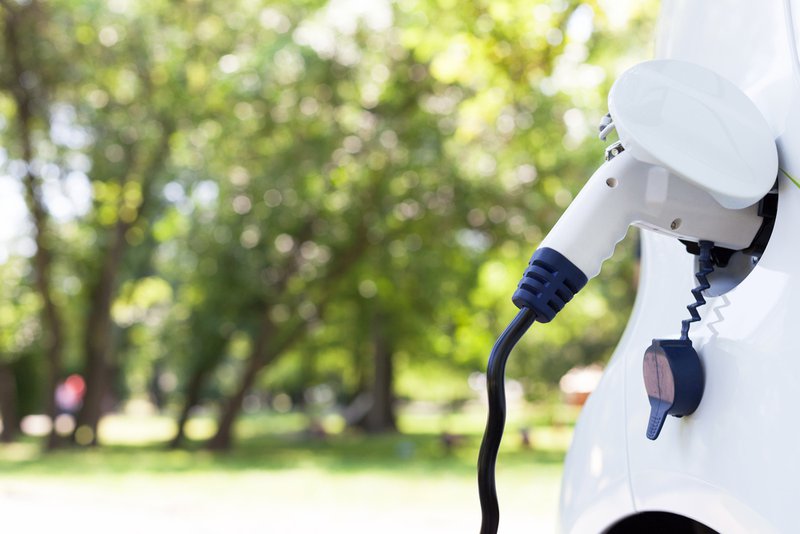
In just a few years, electric vehicles (EVs) have gone from a niche curiosity to mainstream transportation. As exciting as this development is, EVs present their own difficulties. They rely on huge battery packs, power electronics, and electric motors—all of which emit heat. As with data center servers and crypto mining rigs, EV batteries need efficient cooling.
Because liquid immersion cools far more efficiently than air cooling, its application in electric vehicles makes perfect sense. Indeed, immersion-cooled EVs surpass the performance limits of conventionally cooled vehicles.
Immersion cooling systems improve thermal management for EVs. That’s good for safety as well as performance, as overheated batteries pose a significant fire risk. Liquid immersion also solves a number of other pressing concerns for the EV market, enabling more cost-effective vehicles that charge faster and drive farther. It’s no surprise then that Tesla uses immersion cooling in its innovative Semi and Cybertruck.
Innovating Reliability: Immersion Cooling in Industrial and Manufacturing Technology
Excess heat in manufacturing and related industrial processes can be a serious concern. Without adequate cooling, the machines that produce this heat during operation are vulnerable to equipment damage, loss of performance, and outright failure.
Immersion cooling addresses these problems by dissipating more heat than previously possible. As such, facilities using this technology can expect better reliability and longer-lasting machinery, as liquids cool machine tools while lubricating the process and clearing debris.
Liquid immersion is applicable to manufacturing equipment, military hardware, industrial processes involving lasers and semiconductors, plus lighting and imaging technologies, among many other areas. In deep-sea operations, immersion cooling protects components against seawater corrosion and high pressures. This is achieved by immersing transformers and other electrical systems in a cooling liquid.
Make the Immersion Cooling Transition with GRC
Organizations in multiple industries are already experiencing the benefits of liquid immersion cooling. Data centers, cryptocurrency miners, EV manufacturers, and industrial concerns are seizing this opportunity to level up their performance and profitability while preserving the environment.
Your business can enjoy these same advantages by transitioning to innovative liquid immersion cooling technology. GRC produces a range of liquid immersion tanks for data centers and cryptocurrency mining that are capable of halving your capital expenses and operational costs. At the same time, they massively increase your server density, cut environmental pollutants, and make your company eligible to apply for government grants.
The benefits of immersion cooling are undeniable, which explains why so many companies have already switched from air to immersion systems. Even more, businesses will make the move this year, putting immersion cooling on track to become a prerequisite for business success. Start the transition to immersion cooling now to optimize what your organization can achieve. Contact GRC, the global leader in liquid immersion cooling.
As the world economy evolves, innovative immersion cooling technology continues to find new uses. This technology immerses hot objects like data center servers or electric vehicle batteries in a fluid. The liquid then draws away heat far more effectively than previous technologies, bringing significant cost savings and environmental benefits.
These advantages mean the technology is seeing rapid adoption. In fact, immersion cooling is expected to reach a $12.99 billion market share by the end of the decade.
Now’s the time to embrace liquid immersion cooling. Many businesses have already deployed the technology and watched it streamline their operations. This is especially true at data centers, which become much simpler and more profitable after switching.
Enhancing Efficiency and Performance Across Diverse Sectors
Immersion cooling is a flexible technology with applications in many industries. Specifically, we see five opportunities for the technology:
- Data Centers
- High-Performance Computing
- Electric Vehicles
- Manufacturing Technology
- 5G Infrastructure
In each of these fields, the new cooling solutions are lowering costs while increasing performance and environmental sustainability. As the highly efficient process moves heat to a safe place, companies can then reuse the excess heat for other profitable ends.
1. Immersion Cooling in Data Centers
Data center cooling is the prime example of how liquid immersion cooling improves performance. For years, data centers have struggled against growing costs and waste with conventional air cooling. But now, IT hardware has also become more powerful. It’s reaching levels where air cooling just can’t keep up.
Immersion cooling neatly solves this problem by delivering more capable cooling at a fraction of the cost. For instance, liquid-cooled racks support high-density server installations, drastically reducing the facility’s use of resources like electricity and adjunct infrastructure such as generators.
For providing these benefits, liquid immersion cooling is seen as the hot trend in data centers. The major players in hardware manufacturing, cloud and data center operations, and online services are investing heavily in the technology. In fact, more of the industry goes green with liquid-cooled solutions each year.
What’s more, liquid-cooled data centers are the most practical type in the global economy. The racks’ increased efficiency boosts performance for websites, social media, and other activities running in data centers.
2. Liquid Immersion Cooling in High-Performance Computing
High-performance computing (HPC) is an important category of IT that involves extremely dense and powerful installations. Liquid immersion cooling ideally matches these needs because it supports much higher densities and processing power than air cooling. As a result, HPC has been one of the earliest and biggest adopters of the technology.
HPC runs computers to the max, producing more heat than air can handle. But liquid enhances efficiency and performance by providing better heat dissipation. This advantage lets HPC users overclock processors and optimize physical space use.
Green Revolution Cooling’s (GRC) liquid immersion cooling systems already support many of the leading HPC setups, including the world’s most efficient supercomputer. Other success stories include the Texas Advanced Computing Center’s supercomputer and the Vienna Scientific Cluster supercomputer.
Edge computing also faces intense heat management challenges. The edge comprises those places where hardware is installed far from the data center, nearer to the end user. For example, a telecom edge facility may be located in a small structure exposed to the elements. For these deployments, too, immersion cooling handles the heat while protecting servers.
3. Immersion Cooling in EV Batteries
Electric vehicles (EVs) rely on dense and powerful batteries. And as with computers, these batteries become hot and need efficient cooling. In fact, overheating batteries can catch fire and thus, pose a growing safety concern.
Thermal management in EV batteries is the practice of controlling temperatures. By keeping them low enough, you can prevent risks while increasing battery life and performance. So, vehicles will travel faster and farther. Efficiently cooled batteries can also deliver rapid-charging abilities.
As with data centers, immersion cooling is considered the future of EV batteries. Early electric vehicles used air cooling and suffered from poor performance, slow charging, and many broken warranties. Since then, the industry has adopted increasingly capable immersion cooling, leading up to today’s immersion technology.
Working on the same principle as GRC’s data center cooling, this technology improves safety and performance by orders of magnitude. Immersion-cooled batteries have many potential uses, such as balancing electric grids that rely on renewable resources.
4. Immersion Cooling in Manufacturing Technology
Manufacturing the products on which we as a society depend is a heat-intensive process. For instance, machine tools produce a lot of heat, as do lasers and power electronics. But liquid immersion cooling can substantially improve the performance and efficiency of the manufacturing sector by removing excess heat.
Liquid cools equipment and the material it works with. Heat from the industrial process goes into the liquid in a fast and safe transfer. As with data centers and other use cases, immersion cooling is much more effective than air cooling.
In addition, manufacturing and other industries must contend with environmental regulations. These regulations limit resource use and pollution. Employing liquid immersion cooling to make processes more efficient is a key way to improve the environment and comply with the law.
5. Immersion Cooling in 5G Infrastructure
The new 5G standard for mobile data is already revolutionizing how people communicate. Larger channels mean faster data uploads and downloads. In addition, the latency for response times needed by applications is drastically reduced. And given the growing demand for more smart devices, 5G enables more of these devices than ever to connect to the internet at the same time.
However, 5G also brings heat challenges. This technology relies on high-density equipment like multi-element antennas. Plus, the increased power required generates a significant amount of heat.
Liquid immersion cooling improves the reliability and efficiency of 5G infrastructure while bringing down costs. Not only is the equipment compact, but this more efficient cooling technology can reduce power consumption by 40%.
Grab These Cooling Opportunities With GRC
Liquid immersion cooling is the most efficient way to handle the heat from the devices driving our modern economy. This technology brings both speed and safety to data centers and high-performance computers. The same fundamental approach also improves the quality of EV batteries, manufacturing equipment, and 5G infrastructure.
GRC is the leading provider of liquid immersion cooling solutions for servers. Data centers and supercomputers globally are already making the upgrade. Now, you can enjoy the same incredible benefits: cost, performance, reliability, and sustainability. Contact us today to get started.
Traditional air-cooling systems, which have long been the go-to method for cooling data centers, are coming under increasing pressure to deliver effective solutions. Although liquid immersion cooling often comes up as a viable and more effective alternative, many businesses are still concerned about the costs and complexity of this technology.
Data center cooling has to meet several criteria to function effectively. Factors such as cost, reliability, and ease of use top the list. GRC’s innovative immersion cooling addresses all these needs. It costs less, is easier to maintain, and supports a far higher server density than air cooling.
Immersion technology has now proven itself in a wide and growing range of global data centers. Even better, it is a sustainable cooling solution. That same efficiency that makes immersion low-cost and high-density also enables carbon-free data centers. Liquid immersion cooling from GRC is an all-around winner that eliminates previous concerns over the technology.
Concern: Immersion Cooling is More Expensive

Cost is one of the most common worries surrounding immersion cooling technology. This myth makes some sense, given that immersion cooling is more effective than air cooling and is associated with high-performance computing (HPC). In reality, GRC has brought down the price of such cooling systems to below that of air cooling.
Immersion cooling costs less and works more effectively than air cooling, meaning that data centers adopting the system will see immediate as well as long-term financial returns. You spend less to install the immersion tanks, and because this type of cooling uses only a fraction of the electricity, you’re also saving on generators and other now-unnecessary equipment.
Compared with air-cooling methods, GRC’s immersion cooling systems are much faster to install. And the longer you use them, the more you save. Air cooling can swallow half a data center’s electricity budget or more. The necessary fans also add wear to hardware, increasing maintenance and replacement costs. The simplicity of immersion cooling makes it a better fit for your finances as well as your servers.
Concern: Immersion Cooling is Untested and Unproven
Immersion cooling has had many years of testing and use in production environments. For example, GRC’s cooling systems have been in use at some of the world’s largest data centers for over a decade. During this time, they’ve proven themselves capable of highly reliable operation with noticeably better performance than the alternatives.
Even before this technology found itself in widespread use for data center cooling, it had already accrued decades of experience in other challenging industrial environments. In fact, electrical equipment has relied on immersion cooling as far back as the 1800s.
Liquid is an extremely safe and functional medium for cooling. Supercomputers, for example, have a long history of entrusting their hardware to immersion. Thanks to GRC, liquid immersion cooling is now available to data centers of all sizes. Backed by industry standards that protect users and ensure the ongoing reliability of this technology, liquid immersion consistently cools servers without the hot spots or other flaws of air-cooling systems.
Concern: Immersion Cooling is Difficult to Use
Just because immersion cooling uses different technology, that doesn’t make it more difficult to use than air cooling. Some businesses assume their technicians will struggle to adjust to a new configuration. In practice, however, this isn’t an issue. The system is straightforward, and in some key respects, even easier to use than air cooling.
Moreover, the data center as a whole becomes simpler to use. Since immersion cooling does not require the same complex infrastructure as air cooling, there’s less work in the immersion-cooled facility. You don’t have to deal with all the air chillers and air handlers, filtration systems and humidity controls, electrical backups, and other complications associated with air cooling.
Liquid immersion cools silently and cleanly. The servers are protected from pollutants and corrosion, thus needing less maintenance. And without the over-cooling typical of traditional methods, you can leave the facility at a more comfortable temperature for employees.
The systems themselves are amazingly simple, with fewer moving parts than conventional structures. Modular racks can be deployed anywhere. The servers rest comfortably at waist height in horizontal racks and enjoy ample lighting. Technicians have easy access to each server on rails, which ensures maintenance and other tasks go off without a hitch.
Concern: Immersion Cooling Breaks Equipment Warranty
Reality check: Converting IT equipment for use in immersion cooling does NOT automatically violate the equipment’s warranty. While it’s understandably a concern to keep expensive hardware under warranty, immersion systems are safe for warranties.

Through GRC’s unique relationship with our Global Alliance Partner, Dell, customers can purchase GRC cooling systems and Dell servers, have the servers made ready for immersion before delivery, and then immerse them, all while retaining the exact same service, support, and warranty terms available for air-cooled servers.
There’s no need to worry over warranties or the technical details of using servers in liquid immersion tanks. GRC works closely with the IT vendor to offer a seamless solution. For your business, it’s as easy as using air cooling. Plus you’ll see the performance, sustainability, and financial benefits of liquid immersion cooling.
As sustainability and server density become mainstream issues, other original equipment manufacturers (OEMs) are recognizing the value of immersion cooling methods. This innovation represents the best possible tech solution for data centers and, as such, it receives widespread support. Hardware vendors have invested heavily in the development of this technology, which includes ensuring that their products are compatible.
Immersion Cooling Is Now Ready for Your Data Center
Liquid immersion cooling has come into its own. Although there may once have been valid reasons for data centers to think twice about implementing this technology, GRC has resolved these issues. Immersion cooling systems are currently employed by many of the top data centers worldwide. Today, they’re ready for prime-time adoption.
Cost analyses now work in favor of immersion cooling, which slashes CapEx and OpEx in half. The basic technology has had over a century of real-world use, and data centers have applied immersion cooling to fix their most pressing problems for years. The solution is easy to use and (with approved conversion to immersion processes) 100% compatible with your server warranty.
As if converting to immersion cooling wasn’t already a great idea, it becomes even more attractive when you open the door to government incentives. These incentives aim to promote sustainable practices; for example, using GRC’s liquid immersion tanks. When you’re ready for the green solution that cools more powerfully than air—and at half the cost—contact us.
The general awareness and concern about climate change is steadily increasing each year, as the urgency and magnitude of the issue become more apparent. In response, there’s a push across industries to mitigate the environmental impacts of operations. For tech companies, this often means achieving carbon-free data centers.
Data centers are essential; however, they also demand high energy usage. So, to achieve carbon neutrality in this sector, companies need to leverage new technologies to separate the growing service demand from increased energy usage.
Of course, there are multiple different views on how to achieve sustainability. For instance, some believe that a permanent reduction of carbon emissions is possible. Others think that increasing energy efficiency and offsetting remaining carbon emissions to achieve net zero is a more realistic way to maintain modern infrastructure. Either way, sustainable energy use is the goal.
In this article, we’ll cover how new liquid immersion cooling technology is making carbon-free data centers possible.
Are Carbon-Free Data Centers Possible?
The short answer is yes. In fact, many of the leading tech companies have already reached carbon neutrality. And most aren’t stopping there.
- Google states that it reached carbon neutrality in 2007, and further pledges to operate on completely carbon-free energy by 2030. To that end, the tech giant has committed to aggressive increases in data center efficiency by focusing on power usage effectiveness (PUE) in terms of cooling down servers.
- Microsoft is taking its public commitment one step further by promising to be carbon negative by 2030. They’re working towards this goal by investing in the development of carbon removal, capture, and reduction technologies.
- Apple committed to a 100% carbon-neutral supply chain in 2020. The company’s primary focus in achieving this metric is to reduce emissions resulting from manufacturing, distribution, and product design.
Why Tech Companies Hesitate in Transitioning to Carbon-Free Data Centers
Clearly, tech companies are increasingly committed to making their operations sustainable. However, as with any operational transition, overhauling current modes of energy production and consumption presents several challenges.
Firstly, the novelty of certain renewable energy sources limits their availability. To fulfill the high and growing demands of data centers, tech companies will need to actively develop more renewable infrastructure. Of course, high demand for a finite resource subsequently drives up prices. This fact, when coupled with increased upfront installation and maintenance fees, makes carbon-free data centers cost more to run than their counterparts.
Additionally, as data centers consume notoriously high quantities of energy to operate, switching to renewable sources often requires investment in more advanced infrastructure. Energy-efficient hardware and immersion cooling systems come with upfront costs, but ultimately significantly reduce energy consumption and therefore enable the switch to renewables.
What Can Tech Companies Do?
Despite the potential challenges tech companies face when making the transition to carbon-free data centers, the switch remains both practically and ethically necessary. Businesses know that they have a finite amount of time and traditional resources left.
Both the long-term health of operations and the public’s perception of a company hinge on investing in renewable resources. Of course, the most important concern remains the universal existential threat to societies posed by unchecked pollution.
So, companies must find ways to reach carbon neutrality. Luckily there are practical steps that can be taken right now to mitigate unsustainable energy consumption in data centers.
1. Consider Using Renewable Energy
The most readily apparent solution is to switch to renewable energy like solar, wind, or geothermal sources. However, as noted, the quantity of energy necessary to run a data center can be difficult to source as green infrastructure is currently underdeveloped. However, this doesn’t preclude companies from investing in their own energy production through on-site solar panels or wind turbines.
For companies that can’t invest in their own green energy sources, power purchase agreements (PPAs) or renewable energy certificates (RECs) are an increasingly viable option to tap into off-site sources. Businesses can use their off-site power sources in tandem with internally produced green energy, or as a sole supply to reduce or eliminate reliance on fossil fuels.
2. Switch to Energy-Efficient Hardware
Taking proactive measures to minimize energy consumption in day-to-day operations is essential for data centers to reduce their reliance on fossil fuels. Data centers with reduced consumption will have an easier time fully transitioning to renewable energy sources.
Hardware advancements are necessary to mitigate energy requirements, and although they do require an upfront investment, they will generate long-term savings by reducing consumption quantity. Air cooling systems are one of the most energy-intensive functions in most data centers. Therefore, switching to modern liquid immersion cooling systems can significantly improve energy efficiency.
3. Sustainable Architecture and Design
The use of renewable energy can be further enhanced by eco-friendly building design. Firstly, a green roof not only absorbs rainwater but also reduces heat island effects through heavy insulation. This, when used in tandem with efficient immersion cooling, significantly reduces the amount of energy it takes to maintain the appropriate temperature for servers.
Heat recovery systems can also be installed to repurpose the wasted warmth generated through data center operations. The excess heat can then be used to generate electricity or heat nearby buildings.
Convert to Carbon-Free Data Centers with Liquid Immersion Cooling Technology
Converting to carbon-free data centers is a simple matter of switching to sustainable and energy-efficient power sources and hardware. Of course, cutting down the required amount of energy it takes to cool a data center is the first step for many tech companies. So, if your company is aiming for a more sustainable future, you’ll want to upgrade to liquid immersion cooling technology.
Green Revolution Cooling (GRC) offers greater energy efficiency and reduced maintenance requirements through their advanced liquid immersion cooling systems. Replacing traditional air cooling methods with GRC’s liquid immersion system can significantly reduce the amount of energy required to run your data centers. This not only makes the switch to fully renewable sources more feasible, it can also substantially reduce electricity costs.
Reach out to the experts at Green Revolution Cooling to learn more about their liquid immersion cooling system today.
Environmental regulations guide how businesses should operate to prevent pollution from harming society. While many people associate environmental regulations with heavy industry, the rules also apply to other sectors—including data centers.
As data centers become more central to the economy, their environmental impact also increases. This process has brought more scrutiny from regulators. As a result, data center operators increasingly find themselves in the sights of new rules and restrictions.
While facing environmental regulations may seem unpleasant at times, these rules do offer important protections. As such, it’s smart to learn their ins and outs so your organization can avoid penalties and protect the environment.

The Problems Caused by Data Centers
Not all data centers cause the same degree of environmental damage, but they do tend to cause the same general categories of problems. And as data centers continue growing in size and number, these problems are increasing as well. So, it’s imperative they comply with environmental regulations.
Among the main issues is the large and growing energy use by data centers. Processors are becoming more power-hungry, and air cooling remains inefficient. This industry has already surpassed many others in its power use, and the problem is rapidly reaching catastrophic proportions. Data centers are on a collision course with limited resources and the negative effects of resource waste.
In addition, when powering data centers, many toxic and radioactive substances are spread throughout the air, land, and water. The power-generation process and data center operations also add waste heat into the environment, worsening global warming. One byproduct is the billowing emission of carbon dioxide. Most energy sources used to fuel data centers store carbon trapped under the earth. When these carbon reserves are burned, they emit the hazardous molecule into the air.
There are many other environmental problems caused by data centers. For instance, they waste large amounts of water, much of it potable. They also produce electronic waste, including old IT equipment and other discarded hardware.
Data centers as a whole seem unable or unwilling to fix many of these problems. While a few green data centers have taken steps to counteract their environmental effects, most facilities are just starting to become aware of the magnitude of the problem. This is why government involvement has become not just relevant, but necessary.
How Do the Government’s Environmental Regulations Help?

The government attempts to help control the problems caused by data centers through environmental regulations. Three important ones to know are the Clean Air Act, the Clean Water Act, and the Energy Act.
These regulations work together to cover several related aspects relevant to data centers. They also establish certain mandatory standards of behavior. Companies must meet these requirements, or they could face fines or even jail time.
1. Clean Air Act
The Clean Air Act regulates air pollution. It establishes limits on the emissions produced by various systems. These include facilities such as data centers as well as other sectors of the economy including vehicles. The Environmental Protection Agency (EPA) determines appropriate constraints while balancing the harms of emissions and the limitations of available technologies.
When it comes to data centers, sources of air emissions include generators, other uninterruptible power supplies (UPS), and air conditioners. Note that many of these are necessary for conventional air cooling, but they can be eliminated with GRC’s liquid immersion cooling. Simply put, it’s easier to keep the air clean and comply with environmental regulations when you use immersion cooling.
2. Clean Water Act
The Clean Water Act regulates water pollution. While it dates back to 1948, this law has undergone more recent modifications. One of its main purposes is to control the processing of wastewater by data centers and other firms.
Data centers that take their drinking water from the local utility and discharge modest amounts of wastewater don’t need any specific precautions. They also generally don’t have atypical needs for handling storm water.
Where a data center may risk issue is with chiller blowdown. This could potentially discharge toxic wastewater due to bromine-containing antimicrobial agents. Sodium hydroxide can also increase the alkalinity of water to excess. Again, traditional air cooling has complex chiller dependencies, while liquid immersion cooling removes such problems.
3. Energy Act
The Energy Act promotes energy efficiency and renewable energy sources. It’s a much more recent piece of legislation, only going back a few years. Some of its stipulations refer specifically to data centers.
Under the Energy Act, data center operators should employ appropriate benchmarks and measurements to achieve greater energy efficiency. The government also produces information on data center water efficiency and related technological innovations.
Taken together, these steps bring the industry toward a tighter standard of energy use. And as with air and water regulations, the main culprit is outdated air cooling. This wastes much of a center’s energy; in some cases, more than half. Liquid immersion cooling is the answer, as this green technology virtually eliminates cooling energy losses.
Go Green to Comply with Environmental Regulations
Environmental regulations such as the Clean Air Act, the Clean Water Act, and the Energy Act mitigate the environmental impact of data centers. To prevent fines and other penalties, focus on environmental sustainability. By complying with regulations, you’re not just avoiding problems; you’re also relying on carefully established standards that serve to improve business and life as a whole.
Data center operators can adhere to environmental regulations by using best practices and clean technologies, including Green Revolution Cooling’s (GRC) liquid immersion cooling. It uses far less electricity than traditional data center cooling, which has knock-on benefits for air and water as well.
Download our free white paper to learn how immersion cooling handles even the toughest jobs like cryptocurrency mining. For high-performance computing or data centers of any size, liquid immersion is the sustainable cooling technology of choice.
Immersion cooling also makes you eligible for government grants supporting green IT. And because immersion cooling uses fewer resources, you’ll even save on operating expenses. Contact GRC now to learn more about the most sustainable data center technology.
Data centers are undergoing a sea change in terms of their contribution to the economy, calling for significant innovations in facility infrastructure. Each year, the world uses greater volumes of data than the year before. And as more people go online, they’re also making use of more data-intensive services, such as artificial intelligence and blockchain. Together, these developments are pushing a tide of interest in liquid-cooled data centers.
The market for data center cooling is expected to grow at a compound annual rate of 14.8% this decade. That would put it at over $45 billion by the early 2030s. As such, greater investment in cooling will be necessary to meet the demand for more servers.
Cooling technology is at the forefront of data center concerns because it’s one of the main determinants of processor capacity, finances, and sustainability. Conventional air cooling is reaching its limits, underlining the importance of liquid immersion cooling for next-level processing capacity.
This is where liquid immersion cooling comes in, with its promise of solving current challenges in the industry by boosting server density while keeping economic and environmental costs down. With a line of immersion cooling tanks deployed in large data centers around the planet, GRC is part of the solution.
How Does Liquid Immersion Cooling Work?
Liquid-cooled data centers transport heat from servers into a liquid coolant instead of into the air. Because liquid is three orders of magnitude better than air at moving heat, this technology offers far superior cooling potential.
It’s this powerful cooling that makes liquid the coolant of the future. Processors are on a steep upward trajectory with respect to power consumption. Data centers are already topping out, with air cooling unable to support rack densities above some 30 kilowatts. In the next few years, liquid-cooled data centers will go from a leading-edge design to the mainstream solution, by necessity. At present, GRC’s immersion cooling can handle 368 kilowatts per rack!
There are several variants of immersion cooling currently in use. While they all work by moving heat from servers to a liquid, they differ in architecture. The most effective liquid cooling technology is “immersion” cooling, and it works by simply depositing the servers in a protective liquid. Alternative approaches pump the liquid coolant through complex devices that don’t come in direct contact with the IT hardware, robbing them of efficiency compared with the liquid immersion method.
Are Liquid Immersion-Cooled Data Centers Better?
Liquid immersion-cooled data centers are generally much better than the air-cooled equivalent. In addition to raising the maximum server density, immersion cooling also boasts lower capital outlays, lower operating expenses, lower emissions, and quieter processes. Furthermore, liquid immersion protects servers against corrosion, vibrations, and numerous other hazards.
Conversely, air cooling offers none of these advantages. For a start, it requires costly infrastructure, such as generators and raised floors. In addition, air’s poor cooling ability subjects servers to multiple risks—from slow functionality to hardware failure. Even with careful planning, and while running the air coolers far colder than necessary, data centers have to watch out for hot spots and tight power limits.
The main reason air cooling remains in use is because it’s been around long enough to have become quite commonplace. As a result, although it may take some time for this outdated technology to disappear entirely, it’s already non-competitive with newer immersion cooling options.
Worldwide, liquid immersion cooling is attracting larger numbers of customers and expanding its share of the market. Because cooling systems are among the most substantial data center investments, it’s important to make the right choice. And while liquid immersion is particularly popular for high-density server installations, it can be installed anywhere.
Why Are Data Centers Making the Move to Liquid Immersion Cooling?
Data centers are making the move to liquid immersion cooling to gain all the benefits this technology offers—including lower costs, higher processor densities, and enhanced sustainability. Considering the global economy’s rapid digital transformation, facilities are increasingly under pressure to adopt this improved technology, and to keep pace with the ever-growing demands for computation.
Data center sustainability is becoming more of a concern, particularly as data centers now account for 2% of global electricity use. And that percentage is rising fast, with much of this electricity generated from carbon-spewing fossil fuels. Liquid immersion-cooled data centers conserve 95% of this cooling energy compared with air, helping to alleviate the environmental burden.
For high-density installations, there isn’t really a choice—air simply cannot meet the needs of modern processors. Likewise, facilities that have already maxed out their power envelope need to turn to liquid immersion cooling to free up capacity.
Liquid immersion cooling solutions, such as GRC’s immersion tanks, also give data centers more flexibility. You can use liquid immersion anywhere: warehouses without raised floors, parking lots, edge data centers, normal data centers, or essentially anywhere you want.
Join the Liquid-Immersion Cooling Revolution
Liquid immersion cooling makes data centers more environmentally and economically viable. Facilities also become quieter and safer. This technology has become, without a doubt, the most practical method for cooling servers.
The remarkable effectiveness of liquid coolants underlying all these benefits is attracting a growing number of data centers. Hyperscalers, government agencies, and facilities of all shapes and sizes are increasingly drawn to the impressive performance of immersion cooling. Liquid immersion cooling is able to manage even the most demanding computation—to find out how download GRC’s free white paper.
Now that you’ve seen how useful liquid immersion cooling is, add your data center to those enjoying lower costs and higher performance. GRC develops the industry’s leading liquid immersion cooling solutions for data centers. These systems are quick and easy to install, not requiring any raised floors or air handlers.
Once you deploy GRC’s liquid immersion cooling, you’ll see steady returns from the silent efficiency of innovative technology. Join the global economy as it transitions to practical green cooling. Contact GRC now to take the plunge.
Renewable resources are nothing new. Wind and solar power have been at the forefront of a gradual shift toward clean energy for decades now. But given heightening climate concerns—on both an intra- and international scale—finding alternatives to historic power sources has become an imperative. As pollutants fill the skies and oceans and conventional energy sources prove ever more harmful, countries around the globe are facing public pressure to act.
But the shift to clean energy sources isn’t just about saving the planet; there’s a financial component to the green energy debate, too. It turns out that green energy is, in many ways, more efficient and beneficial for the economy! Solutions like immersion cooling can produce drastic monetary savings, while also reducing carbon footprints. In fact, GRC cooling systems can reduce expenses to half those of traditional air cooling, while also greening your operations. What’s not to like?
These days energy is, understandably, a hot topic in the political arena. Let’s take a look at the politics of clean energy and how solutions like GRC’s immersion cooling systems are paving the way to a new standard.

Renewable Energy and Global Politics
Countries are vying to lead the shift from fossil fuels and their attendant difficulties to clean energy. Resources abound, with most nations having access to some combination of hydroelectric, geothermal, wind, or solar power. But renewable sources have proved particularly popular in countries seeking independence from the more traditional oil producers. This shift to sustainable solutions has upended international relations in recent years.
Even countries that typically relied on fossil fuels have started to cross over to green energy. China—long infamous for its polluted air—now leads the way in clean energy, and many other large economies have committed to reducing emissions in the coming years. Oil-exporting countries that don’t adapt to reversing market demands will struggle in the coming decades.
In places that want to demonstrate their leadership on clean energy, such as the European Union, there’s also the growing pressure of new legislation. Tighter restrictions compel data centers to reduce their carbon emissions; a feat aided by renewable energy sources and efficient cooling options like GRC’s liquid immersion cooling systems.
The “Cleanest” Countries: Who Leads in the Use of Renewable Energy?
The number one country in terms of renewable energy is China, which has over a thousand gigawatts of install capacity and controls much of the global clean energy supply chain. The United States comes in second, with only 325 gigawatts. Third place goes to Brazil, which also has a thriving bio-ethanol market.
If one only looks at electricity generation (rather than all energy production), countries that use exclusively renewable resources also deserve high praise. For example, Norway produces 99% of its electricity from hydropower and other renewable sources; New Zealand, Brazil, and Colombia all make around three-quarters or more from clean energy sources.
European and Asian countries in general have made big moves towards clean energy in recent years. Japan and India rank high in solar power, while most Western European countries do well in solar and wind power. The trend is global. However, Australia—long known for its emissions-heavy industries—is now striving to become a major player in green energy.
Countries are also linking up with each other via electric cable to share the rewards of renewable energy. A country like Norway basks in hydropower options, while the UK has a lot of wind power. Now they can share the benefits of both via the North Sea Link; the longest underwater electric cable in the world. This power-sharing arrangement shuffles power to where it’s most in demand. Global interconnections like this are tying together producers and users of electricity for a cleaner tomorrow.
The Rise of Immersion Cooling as a Sustainable Alternative
Green energy is not only about how power is produced but also about how it’s used. Processes that waste massive amounts of electricity are unsustainable, even if they use wind or solar power. By the same token, processes that use electricity sparsely make any power source more sustainable.
When it comes to data centers, the two central uses of power are servers and cooling systems. Servers are necessary to deliver IT functionality to customers and have already been made quite efficient. Cooling systems, however, remain problematic in their unnecessary energy use.
But a new cooling technology is rising to the occasion. Liquid immersion cooling works far more efficiently than conventional air cooling; as such, immersion cooling has become the sustainable solution for data centers. It’s as simple as it sounds. Immersion cooling solutions like GRC’s rely on a cooling liquid that contains, diffuses, and disperse heat, rather than using more energy to simply blow it away.
By using less and sourcing responsibly, businesses can mitigate the negative side effects of power-hungry data centers. As green energy gains steam around the world, it’s all the more important to upgrade to environmentally friendly processes.
Combine Clean Energy with Immersion Cooling
Clean energy from renewable resources isn’t just a cause for green advocates, it’s also become quite politically expedient in recent years. Data centers—among the heaviest consumers of electricity—should do everything they can to cut emissions.
In addition to using clean energy, you can also cut emissions with super-efficient liquid immersion cooling. This revolutionary technology slices cooling emissions by 95%! In conjunction with green energy, immersion cooling turns data centers into ahead-of-their-time leaders of the transition to sustainable solutions.
Green data centers can be attained through the right steps. Learn how to measure and improve in the Guide to Sustainability Metrics with GRC’s ICEraQ® — Going Beyond the Traditional Data Center.
A sustainable data center is good for your long-term prospects. Green computing is where the industry is heading; and it’s moving rapidly, thanks to the politics of the situation. Contact GRC to make your contribution to a clean environment and achieve cost savings today.
There’s been a revolution in data center cooling, and immersion cooling is at the forefront. In addition to operating at a much higher efficiency level than conventional cooling, this “green cooling” method is extremely environmentally friendly. What’s more, it can also offer businesses a better bottom line.
Immersion technology refers to the process of running servers completely submerged in liquid coolant, which enables the low-cost transport of heat away from these servers. As a result, there’s no further need for legacy air-cooling systems or the inconvenience of raised floors, chillers, wasted floor space, and backup generators. Immersion cooling systems are also easier to maintain. Moreover, their higher cooling capacity is becoming more relevant every year as processor wattages continue to rise.
Liquid immersion cooling methods have grown rapidly in high-density applications such as cryptocurrency and artificial intelligence. Furthermore, this technology is gaining market share in general-use data centers and is on its way to becoming the industry standard. In 2023, we expect to see an inflection point as more organizations realize the advantages of green cooling.
Here, we’ll look at some key points to consider before transitioning to immersion cooling.
What Makes Immersion Cooling Different?
Immersion cooling is a game-changer because it places, or “immerses,” the server directly in a liquid. By contrast, traditional air cooling uses air to disperse heat. Immersion cooling is also different to other liquid cooling technologies that use plates or intermediaries between the liquid and the server.
Note that by immersing a server entirely in liquid, you’re achieving far superior cooling to any other approach. This is because liquid conducts heat over a thousand times more effectively than air. However, methods that put cold plates or other devices between the liquid and the server can interfere with performance, as well as adding to cost, complexity, and risk.
Today, immersion cooling is seen as the future of high-performance computing (HPC), with hundreds of millions of dollars pouring into these systems. Why? As the importance of data to the economy grows, processors will become ever-more powerful; as well as generating even greater volumes of heat. Immersion cooling meets and exceeds the demands of HPC thanks to its virtually unlimited cooling ability.
This is no longer an experimental technology reserved for supercomputers, but a practical solution for data centers of all sizes. To meet this need, GRC has developed high-capacity liquid immersion cooling systems that are easy to install.
Adopting liquid immersion cooling is fast and affordable. That said, there are certain factors worth considering if you want to ensure a smooth transition.
Factors for Successful Immersion Cooling Adoption
What do you need for a successful upgrade to immersion cooling? There are three primary considerations: the specific type of immersion cooling system used, quality and safety standards, and the efficiency of management systems.
Type of Immersion Cooling Technology
There are two main types of immersion cooling technologies; single-phase and two-phase. As their names suggest, the difference lies in the number of phases of matter through which the coolant passes.
In single-phase immersion, the coolant remains liquid. This is the preferred option for businesses. It’s proven itself for over a decade as a reliable, safe, and cost-effective solution. Moreover, it’s the technology of choice at some of the largest data centers on the planet. All of GRC’s immersion cooling systems use single-phase immersion.
With two-phase immersion, the coolant alternates between liquid and gas. This can potentially complicate matters; especially with regard to operations, costs, safety, and even the logistics of acquiring coolant. The two-phase system has had limited uptake by businesses and should be seen as more of a novelty.
In addition to its reliability and affordability, single-phase is currently also the most sustainable cooling solution. It’s already in widespread use cooling servers while simultaneously conserving electricity and water. Single-phase also protects against e-waste, toxic emissions, and lost heat. It’s an all-round winner that’s ideal for the big-data, high-tech future.
Quality and Safety Standards
As with any data center system, it’s important to maintain rigorous standards of quality and safety. Immersion cooling inherently improves the quality of cooling because liquid makes a better coolant than air. It’s also safe, as it removes the need for multiple types of electrical and mechanical equipment and the attendant risks.
To start, liquid immersion uses only a twentieth of the electricity that air cooling requires. As such, you’ll reduce dependence on backup generators, batteries, and diesel; all of which add to safety concerns. The liquid coolant itself has a high flash point and is safe for people and the environment to the extent that you could even drink it!
With GRC, the liquid immersion cooling tanks also operate silently, thus eliminating potential long-term hearing damage from loud air-cooling systems. And because liquid immersion cools servers far more powerfully and evenly, you’re eliminating issues such as overheating and extreme humidity.
The United States Air Force trusts GRC’s safety and quality, to the extent of deploying their cooling tanks at some bases. Their servers have to work under harsh conditions, and failure isn’t an option. After several years, these systems retain 100% uptime.
GRC’s solutions offer various routes for rack number, final heat rejection, and configuration. Any combination delivers consistent high-density cooling and an enviable safety profile.
Management Systems
Adopting liquid immersion cooling isn’t only about the technology, it’s also about how you manage it. Efficient management systems contribute to optimal functionality throughout the lifecycle of the solution.
As data continues to permeate all sectors of the economy, modern computation is making data centers more complex. Just think of the internet of things (IoT) and its massive data volumes. No wonder it’s become a challenge to manage servers and cooling systems.
GRC’s ElectroSafe coolant makes management simple. You don’t have to worry about the liquid coming into contact with electronics, as that’s what it’s designed for. The coolant also doesn’t evaporate, so there’s no issue with refills. And for added confidence, you can use GRC Systems Manager to keep tabs on the tanks.
Immersion cooling also makes capacity planning easy. Because you can add as few or as many racks as you like—with or without a raised floor—GRC’s tanks are totally adaptable. Gone are the months-long estimates that often turn out to be inaccurate. Now it’s feasible to improve your data center’s power, efficiency, and sustainability on a dime.
Upgrade to Immersion Cooling with GRC
Single-phase liquid immersion cooling is, by far, the leading data center technology in 2023. GRC’s genre-defining systems cool more servers at less cost and with lower carbon emissions.
Find out about sustainability metrics and making liquid immersion cooling work for your data center. Then contact GRC to adopt the cooling solution of the future.