
Green renewable energy has gained fame as a trendy answer to the problems of fossil fuels, such as pollution and finite supply. However, sustainable energy is more than just a fad. It’s become a compelling method for businesses to cost-effectively power their operations while helping the environment.
Renewable energy is hardly new. Humans have harnessed wind, water, and solar power for generations, although the technology to convert these natural resources into productive work has evolved over the years. These and other green renewable energy sources now provide inexpensive electricity for data centers and other facilities and will do so for the foreseeable future.
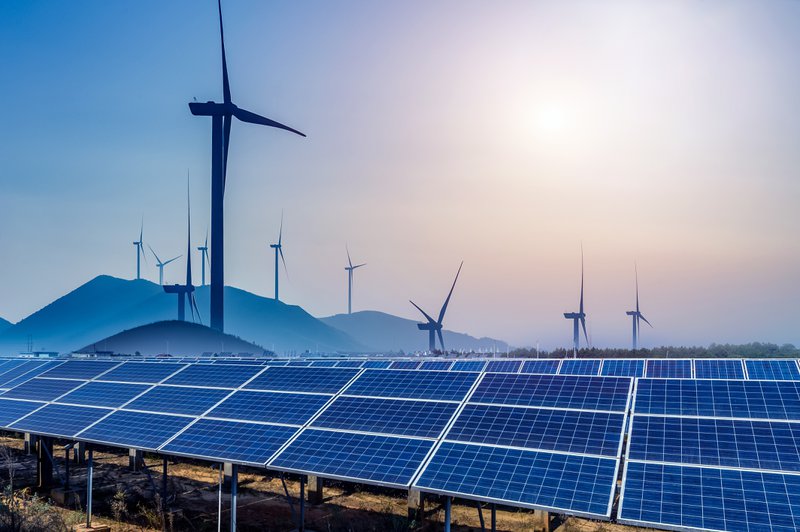
Green Energy Use: What the Numbers Say
Global electricity use is on the rise, along with the ensuing carbon emissions. In recent years, green renewable energy has gone from a relatively small alternative to the main direction of American and international energy policy. In fact, its use grew at an annual rate of 15% from 2011 to 2020.
More than two-thirds of Americans think the country should focus its efforts on renewables, putting the U.S. on the path to becoming carbon neutral. People expect a transition to renewable energy to improve air and water quality, create job opportunities, make the electrical grid more reliable, and reduce power costs.
It’s not just renewable energy that’s going big but also green data center cooling. Modern processors require more power to keep up with data demands; and will produce more heat as a result. Sustainable cooling includes liquid immersion cooling, renewable resources, and heat recycling. Each approach minimizes the impact on earth’s natural environment while delivering reliable performance.
The Real Environmental Benefits of Sustainable Power Sources
Green renewable energy offers many benefits for the environment. Resources like wind and sunlight are widely available and will remain so, unlike limited fossil stores we’re now depleting.
What’s more, digging fossil fuels out of the ground releases a range of harmful toxins. Pollution occurs during the extraction processes and when burning the fuels. These toxic substances fill the air and make their way into the food chain and our bodies.
By contrast, green renewable energy is clean. It doesn’t force the same environmental toll as dirty fossil fuels. Converting wind or sunlight into electricity has minimal environmental effects while delivering usable power. In addition, green energy also has advantages for society and the economy. For example, unlike fossil fuels, energy sources like wind and sunlight are available anywhere in the world.
The economy continues to use more power as electronics become more widespread and power-hungry each year. The same long-term transition to green practices in the wider economy has special relevance for data centers. Cooling systems, which use much of a data center’s electricity, are transitioning to liquid immersion solutions like those available through Green Revolution Cooling (GRC).
Key Benefits of Sustainability for Businesses
Companies that transition to green renewable energy will see numerous advantages that can help them get ahead:
- Green renewable energy can reduce power bills for businesses. This matters in general and even more so for energy-intensive businesses like data centers.
- Clean energy provides marketing opportunities since customers favor responsible companies.
- With green energy, a business reduces its carbon emissions. On top of the direct environmental benefits, this also helps to achieve sustainability goals.
- The company can become eligible to receive government grants for greener practices.
- The development of the renewable energy sector is producing a lot of high-quality jobs for engineers, installers, and others involved in the green energy transition.
For companies that generate their power onsite, green energy offers even more advantages. For example, it’s a lot quieter and safer to run a data center on solar than diesel generators. You also aren’t exposed to the same maintenance needs or regulations for fuel.
Sources of Renewable Energy
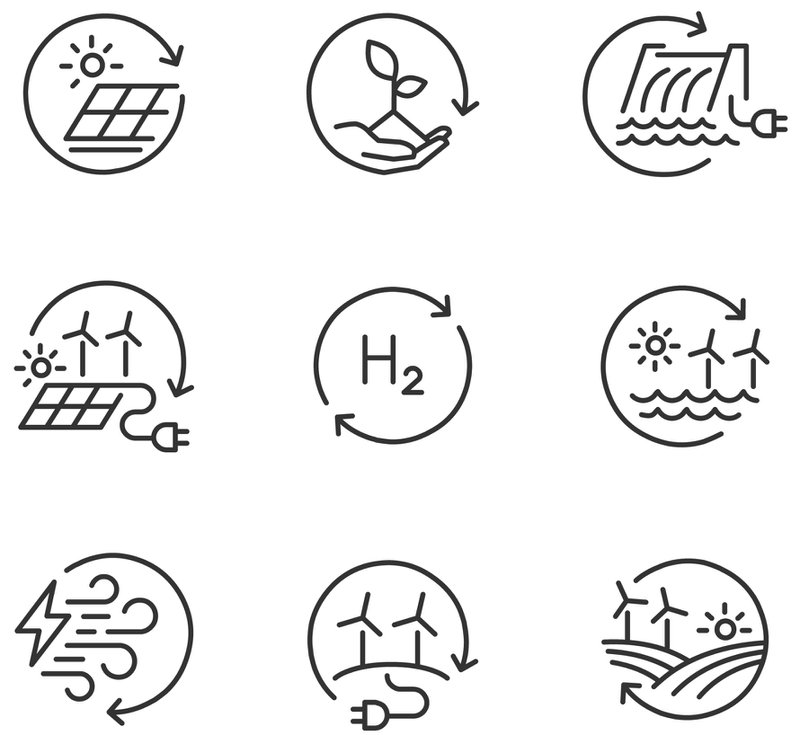
Green renewable energy can be produced from several different sources:
- Hydroelectric power is generated from water pulled down by gravity. As the water runs over a turbine, it produces an electric current that can then run businesses.
- Solar power converts energy from the sun into electricity. Solar cells collecting sunlight have become a common sight on rooftops.
- Wind turbines have also become relatively common. As wind blows over the blades, they spin a generator that produces electricity. Solar and wind are only available at certain times, so they’re often paired with other sources.
- Geothermal energy uses heat stored in the earth to convert water to steam.The steam then runs through a turbine to produce electricity. While geothermal is less well-known than other energy sources, it’s already in widespread use. Some countries rely on geothermal for a substantial percentage of their total electricity.
Hydrogen and biomass are other renewable energy sources available.
From farms to factories, electricity from green resources make processes cleaner. In data centers, the main uses of electricity are IT hardware and cooling equipment. Green cooling solutions complement renewable energy for the ultimate eco-friendly data center.
Green Renewable Energy Is the Future
Clean sources of electricity have moved beyond hype and into the mainstream. Due to the environmental and business advantages, green renewable energy will continue to grow in importance. Renewables are abundant, safe, and competitive on cost with conventional fuels. They also reduce emissions.
Businesses that rely on green renewable energy will see increased respect and loyalty from customers as they save on electricity while saving the planet. Their sustainable practices also tie in with other green initiatives like using energy-efficient liquid immersion cooling.
GRC is the leading producer of immersion cooling solutions. See the advantages of next-gen cooling in the guide Data Center Sustainability Metrics with GRC’s ICEraQ®—Going Beyond the Traditional Data Center.
Now’s the time to transition to green energy sources and a green data center infrastructure. These technologies will become standard in the coming years, but the most innovative facilities aren’t waiting. They’re going green now and reaping the financial and environmental benefits. Contact GRC today to learn how your data center can be more sustainable.
Governments offer incentives for various behaviors they want to encourage. A common category of government incentives covers environmentally friendly activities. Some of these incentives apply to data centers that use green practices like liquid immersion cooling. And because data centers can stand to benefit from any income source they can find, these incentives are worth exploring.
Government incentives can take the form of grants or tax breaks. When you invest in energy-efficient equipment such as Green Revolution Cooling’s (GRC) liquid immersion cooling systems, governments recognize the improvement and offer financial benefits. Using renewable energy is another popular approach to earning incentives.
Data center sustainability has its own benefits beyond government incentives. When you go green, you’ll increase operational efficiency and profits, win over environmentally conscious customers, and contribute to the well-being of the public and the planet.
Government Incentives for Sustainable Business Practices
There are subsidies available at the state and national level in various countries and even in some cities and counties. Utilities and other organizations also offer grants for green businesses. Government incentives for eco-friendly practices include the Investment Tax Credit (ITC) and Emission Reduction Credits (ERCs).
ERCs indicate that you have lowered your carbon emissions, such as by upgrading from air to liquid immersion cooling. These have financial value, as you can sell ERCs to organizations that need to offset their excess carbon emissions.
The business energy ITCs are issued by the U.S. federal government for renewable energy equipment. For example, if a data center buys wind or solar generators, they would qualify for ITCs.
At the state level, there are incentives such as Illinois’ data center investment tax exemptions and credits. These cover construction costs for data centers meeting green building standards. Liquid immersion cooling can help data centers become green.
You can also find incentives in other countries. In India, for example, a state government is offering incentives on land with electrical and network connections to data centers using 30% or more renewable energy. Wherever you want to operate a sustainable data center, you can rely on GRC’s global supply network for liquid immersion cooling.

Data Centers Are Facing More Regulations
Government incentives form part of the landscape of benefits and challenges in environmental regulations for data centers. These regulations are increasing as lawmakers and the public become more attuned to the environmental effects of data centers.
Environmental regulations, including incentives, aim to protect people and the environment. These laws punish irresponsible behaviors that dump pollutants into the atmosphere and reward responsible behaviors that keep the planet clean. Therefore, working toward government incentives for green data centers isn’t just good business sense; it also aligns with the wider community’s interests.
Green technology like GRC’s liquid immersion cooling naturally uses fewer and safer resources. This qualifies data centers for government incentives while making operations sustainable.
Benefits of Having a More Sustainable Business
Running a sustainable data center has numerous advantages in addition to any government incentives you may win. For instance, you’ll be doing your part for the environment and gaining the support of many people, including customers and employees. Green data center technology like GRC’s liquid immersion cooling has financial and technical benefits as well.
There are several established practices for running a sustainable data center. Following these practices will improve profitability: a green data center spends less on electricity and real estate, among other unnecessary costs.
Another advantage: sustainable data centers measure their resource use, so they have precise knowledge of what goes through their facilities. This goes toward keeping costs down and keeping the environment clean. It’s also a valuable tool for planning and comparison.
By measuring resource use, you can easily see how much your electricity consumption has gone up or down each month or how your water use compares to industry trends over the years. Then, you can determine where to invest resources based on detailed evidence. And with environmental regulations tightening further, you’re also better prepared for compliance in the future.
In short, when you have a more sustainable business, you can attract high-paying customers, earn government incentives, and qualify for industry certifications and benchmarks. Plus, you’ll run a more efficient and inherently profitable enterprise, since modern green technology works better than the alternatives.
Liquid Immersion Cooling: The Greenest Data Center Technology
When you’re ready to go green, look to GRC’s liquid immersion cooling system. It cuts carbon emissions and water use, eliminating much of a data center’s electricity consumption. Government incentives are often based on just these factors: low carbon, water, and electricity. You’ll be hard-pressed to find a more environmentally friendly technology anywhere.
In addition to its sustainability advantages, immersion cooling also costs about half as much as conventional air cooling. Moreover, liquid cooling keeps servers in good shape for longer. It takes the limits off computational density, and it makes the data center environment quiet and comfortable.
Liquid immersion cooling single-handedly makes data centers much greener. It conserves far more resources than air cooling and other alternatives. What’s more, single-phase liquid immersion cooling is a practical technology that’s already working in the greenest supercomputer as well as many business and government data centers worldwide.
Liquid immersion is your eco-friendly option for government grants. The technology also simplifies data center construction and operation. Therefore, immersion cooling is the best choice a data center operator can make for the environment and for their own business interests.
Earn Government Incentives With GRC
Government incentives improve the revenues of your business while encouraging desirable behaviors that are environmentally friendly. There are many incentives available for green data centers, and liquid immersion cooling is the key technology to make your facility sustainable.
GRC develops the industry’s leading liquid immersion cooling systems. In addition to qualifying your data center for grants, it will cut the total cost of ownership (TCO) and increase server density. Contact GRC today to learn more about how you can earn government incentives and improve operations.
Customer demand is constantly evolving—as is competition from other data center companies. In this dynamic environment, where tomorrow’s challenges are unpredictable, future-proofing is essential to keep services running. Using the right technology is the best way to protect your data center against risks.
GRC’s liquid immersion cooling protects your data center’s long-term future. The liquid coolant can handle massive amounts of server heat. Furthermore, it has a lower total cost than air cooling—so there’s no excuse to forego system protection.
Data center infrastructure management (DCIM) is another valuable tool for future-proofing your facility. It helps different systems within the data center communicate with each other. When IT equipment, cooling systems, and building infrastructure all work seamlessly, you reduce the risk of downtime.
Facilities can face the threat of disruption at any time, and future software needs will place an even greater pressure on data center efficiency. That’s why it’s important to take steps now to protect your data center investment for the years ahead.

Why Future-Proofing Data Centers is a Must
Future-proofing is an essential step toward navigating the ever-changing requirements of business. Without it, your data center is liable to degrade under operating pressures—allowing better-prepared competitors to take over your market share. Equipment wears down, costs from outdated technology grow, all of which will leave your enterprise vulnerable.
Data centers that aren’t ready for future demands will face costly disruptions—even an hour of downtime can cost millions of dollars and lose customers to the competition.
High-performance computing (HPC) is at the forefront of current technological advances. In this scenario, increasing computational density pushes HPC beyond the envelope of conventional air cooling. As a result, there’s a pressing need to deploy more efficient cooling systems with the capacity and capabilities to handle these extreme heat levels.
Immersion cooling is the future—not only for HPC but also for other computation needs. The same problems that have pummeled HPC are creeping into more general data centers. Processor speeds and heat emissions are rising rapidly. Software is placing greater demands on hardware each year, as intensive tasks like blockchain and AI become ever more prevalent.
Common Causes of Data Center Downtime
Downtime is a data center’s worst enemy. There are several frequently recurring causes of downtime that will have an increasing effect on data centers in the coming years—unless you take preventive action.
Of course, it’s easier to prevent some drivers of downtime than others. And although there’s no stopping human error, proper education can at least minimize it. The direct control of infrastructure as well as capacity planning are part of the answer.
By maintaining hardware and mitigating risks such as electrical issues, you’ll be better able to reduce downtime. Then, there are unpredictable events such as cybercrime, network failures, or natural disasters.
Server Failures from Overheating
Data center downtime often occurs as a result of overheating. When servers are exposed to excessive heat, the processor may slow down or fail entirely. In addition, other data center components may be subject to failure from overheating. These problems may be caused by insufficient IT equipment cooling systems or by uneven cooling that produces hot spots.
Air cooling requires complex planning and execution, and mishandling a cooling system can add to downtime challenges. Because servers are expected to continue increasing in power and heat, future-proofing will become essential, underlining the importance of using more efficient cooling systems.
Interruption of Power or Water Supply
Ironically, downtime is often caused by an uninterruptable power supply (UPS). In some instances, the UPS may fail to function correctly. Alternatively, it may have to support more equipment than that for which it’s designed. Air cooling places heavy demands on electrical systems, requiring a lot of susceptible UPSs and backup generators.
If the power or water supply goes out, your system may experience downtime. However, with liquid immersion cooling, there’s less need for power and water than there is with air cooling. Moreover, the liquid coolant continues to protect servers—even without power—through its own thermal capacity.
Additional Environmental Threats
Other causes of downtime include airborne pollution, corrosion, high or low humidity, electrical malfunctions, and vibrations. Any of these pervasive threats can disrupt hardware, bringing down services for which customers have already paid. GRC’s liquid immersion cooling protects data centers from these negative prospects and makes this solution vital to future-proofing your business operations.
How to Future-Proof Data Centers
Future-proofing your data center involves using innovative technologies to handle the high computational demands expected in the coming years. There are various ways to achieve this. For example, regulations increasingly require environmentally sustainable systems, so it makes sense to run a “green” data center.
Additionally, building modular data centers with prefabricated parts that can expand as needed is a convenient future-proofing tactic. Furthermore, you won’t have to overspend on upfront purchases that you may not need.
Although these solutions all play their part, liquid immersion cooling remains the number one way to future-proof your operations. This technology reduces the maintenance necessary for servers in addition to improving the supportable rack density. It’s also possible to install it in small increments.
Liquid immersion cooling has many other benefits including cost savings and being the best sustainable cooling solution. It keeps servers running safely at cool temperatures for years and truly prepares data centers for the long term. This means you’ll see ongoing ROI while, at the same time, meeting the growing expectations for green computing and expanding your computational density.
Future-Proofing Your Data Center with GRC
The data center industry is changing fast, and companies that don’t adapt will be left behind. Increasing server heat, along with related problems, will cause downtime for the unprepared. Thankfully, there are a number of measures you can take right now to prepare for the challenges ahead.
Upgrading to liquid immersion cooling is the easiest step, as it pays for itself while simultaneously increasing your server capacity and making the facility sustainable. Even the fastest processors of the future can be cooled using liquid immersion methods.
GRC’s liquid immersion cooling is future-proofing data centers for years of successful operation. It’s not too soon to start planning for the future, and the benefits apply to today’s challenges too. Contact GRC to future-proof your data center operations!
Data centers host the hardware and software that serve organizations’ IT needs. To meet these needs, each data center requires electrical and cooling infrastructure, along with other equipment. But cooling often poses key financial and technical challenges for data centers. When you upgrade to liquid immersion cooling, however, you can drastically simplify the system and free up your budget for additional spending.
As the name indicates, an immersion cooling system submerges IT hardware into a cooling liquid. The system uses very few moving parts, and it doesn’t depend on the overbuilt electrical and mechanical infrastructure that air cooling requires. As a result, Green Revolution Cooling’s (GRC) immersion cooling system cuts your operational costs and capital expenses in half. Overall, liquid immersion cooling is a much more efficient and cost-effective technology.
Immersion cooling isn’t just good for your finances—it’s also good for the planet. As data center sustainability becomes more important each year, there’s no better time than now to switch. So, save the environment while also saving money. Make it a great year and treat your business with the money you’ll save. Here are five ways you can splurge, from infrastructure improvements to extra love for your employees.

1. Networking
One way you can spend some of your savings from immersion cooling is to grow your business network. For instance, you can send out gifts and greeting cards to potential partners. Who knows, you may just find your next customer!
By networking with those in the industry, you may also develop connections with other data center operators. Together, you can grow faster or share information and other resources. After all, there’s strength in numbers—and investing in your social network is a good use of your savings.
2. New Equipment
You can build your data network as well as your social network. For example, the money you would’ve spent on unnecessary air cooling equipment can be reinvested and used to purchase productive IT equipment. In fact, switching to GRC’s liquid immersion cooling system can save you millions of dollars. That’s enough to buy a lot of servers and networking gear.
As a bonus, immersion cooling bathes the IT hardware in a liquid that protects against air pollutants and moisture, so hardware lasts longer and needs less maintenance. It’s like two investments in one: you get the hardware’s normal lifespan plus the extra life gained from immersion’s protection. And, it all comes from money you would’ve thrown away on inefficient air cooling.
3. Marketing
Why not spend some of that extra money on getting the word out about your services? Marketing is essential to business success, and every penny counts. With the right publicity efforts, you can boost sales and grow your business.
Some ideas include purchasing advertisements and writing press releases. You could also run sponsorships or find other creative ways to spread awareness of your company. However you choose to market your offerings, the added money can fuel profits.
4. Customer Service
There’s always room to improve customer service. After all, the customer service team helps the people your business depends on in their moment of need. A customer who receives exceptionally good service may recommend you to others. However, a customer who receives poor service may not be a customer for much longer.
There are many ways you can spend the savings from immersion cooling on improving customer service. For example, you can hire more representatives or conduct more training. With budgets under constant pressure, it’s a relief to free up resources.
Customer service is one of the smarter places to spend your excess savings—the way a company makes people feel heavily influences their purchasing decisions. This department is the main touchpoint through which customers engage with your business, so it’s worth the investment.
5. Employee Bonuses

Of course, what better way to spread holiday cheer than on the people who make your enterprise work? Recognizing employees is not only a welcome act of kindness; it also increases their morale and performance.
With the money you save from converting to liquid immersion cooling, you can bolster the troops and keep a positive mood as you move into the new year. For example, share your savings as a monetary bonus or as gift cards. Either way, showing your team extra love will put you all in the holiday spirit.
Looking to Switch to Immersion Cooling Solutions?
Investing in your business and its employees is a good move any time of year. You’ll find tremendous savings when you upgrade to immersion cooling. The best part? It’s easy to make the switch. You can install liquid immersion tanks in any facility—you don’t even need raised floors or other modifications.
The mechanical simplicity and physical efficiency of liquid immersion cooling will yield massive cost savings from day one. And, the savings continue as long as you run immersion cooling, as the liquid also protects your expensive IT assets from damage.
GRC’s liquid immersion cooling systems support enterprise, cloud, and hyperscale data centers. These modular tanks let you build out as desired and are ready in mere weeks. In addition, you’ll save half the total cost versus air cooling. Liquid immersion cooling can handle far higher rack densities, and it’s better for the environment.
The greater rack density makes liquid immersion cooling popular for high-performance computing (HPC). This means you can now install many times more server power in the same area. That saves you money on real estate on top of the already lower costs of immersion cooling.
GRC leads the industry in developing and deploying liquid immersion cooling solutions. This technology is rapidly expanding from a niche into a mainstay in data centers of all sizes. Driven by the cost savings and convenience of the system, more and more organizations are moving to immersion. Contact GRC today to start your liquid immersion cooling journey.
Amid a growing concern for the amount of electricity data centers use, operators are now intensely focused on improving their energy efficiency as much as possible. Technology to more effectively fuel IT infrastructure and cooling systems is in high demand—and among the most popular and successful is liquid immersion cooling.
Data centers use immense amounts of energy to power and cool servers. Processor power is increasing to meet society’s growing needs, so you can’t trim that back. Cooling, however, is traditionally conducted with inefficient air-based systems—so this is definitely an area where the industry can cut back its excessive energy use.
Liquid immersion cooling replaces air cooling with a vastly more efficient design. Servers are submerged in fluid that absorbs excess heat without using excessive energy. It’s a sharp contrast to traditional air cooling systems, which require oversized and inefficient machine support that eats up electricity and dispels heat, but does little to directly cool servers.
Over the last decade, liquid immersion has gone from an upstart to a rapidly expanding global phenomenon, which many experts see as the future of data center cooling. Even before finding its way into data centers, the underlying technology had proven itself for decades in industrial uses. Today, liquid immersion cooling systems from Green Revolution Cooling (GRC) offer the most energy-efficient cooling solution for any data center.
The Energy Efficiency of Data Centers
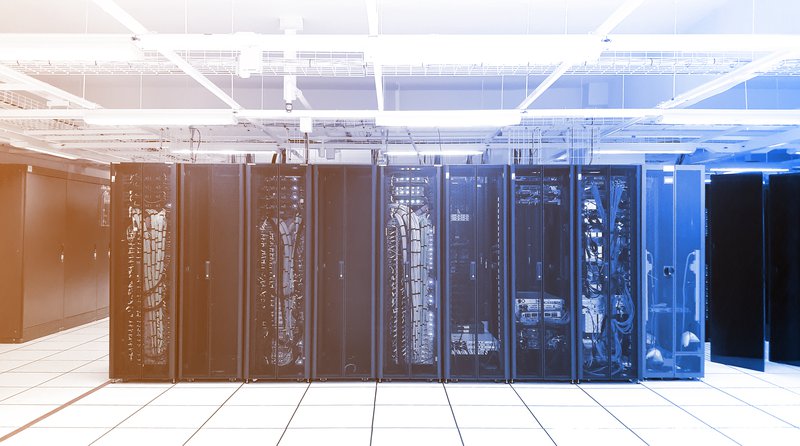
Each data center has a different level of energy efficiency. This measures how much electricity goes into the data center to power processors, storage and networking devices, cooling systems, and other equipment.
A more energy-efficient data center is more profitable, so it’s important to measure efficiency accurately. However, it’s also a complex endeavor—there’s no agreement on a single method to measure electricity use.
One common metric for analyzing the performance of different data centers is power usage effectiveness (PUE). This assesses how much electricity is used for tasks other than IT. The higher the reading, the more energy wasted.
For instance, a PUE of 2 says the data center uses one part energy for IT to each part energy for cooling and other accessory uses. By contrast, a PUE of 1.02 says the data center uses 0.02 parts energy for cooling to each part energy for IT. Thus, a low PUE of 1.02 is energy efficient—while a high PUE of 2 is extremely inefficient.
The PUEs of data centers have generally dropped (i.e., improved) over recent decades, thanks to innovative cooling technologies. Not long ago, data centers had PUEs worse than 2: they were wasting most of their energy. By contrast, GRC’s liquid immersion cooling delivers that golden 1.02 PUE ratio. It’s much more energy efficient than the air cooling commonly used in traditional data centers.
How to Improve the Energy Efficiency of Your Data Center
Given the large proportion of energy in data centers that goes into cooling systems, the smartest way to enhance a facility is to use an efficient cooling solution like liquid immersion. As a result, each server operation will waste less energy.
There are other steps you can take to improve data center efficiency. For example, regular hardware maintenance keeps devices running well. Old or inactive servers can be disposed of responsibly, instead of eating up valuable resources. And, you can install more energy-efficient equipment such as the latest generations of central processing units (CPUs) and sensor-controlled LED lighting.
It’s also more cost-effective to add hardware to an efficiently-run data center than to enhance a less-efficient facility (or build an unnecessary new one). Some other ways to improve energy efficiency include:
- Using solid state drives rather than magnetic drives
- Using a direct current instead of alternating current supply
- Utilizing large cloud resources
How Can Increasing Your Energy Efficiency Help You?
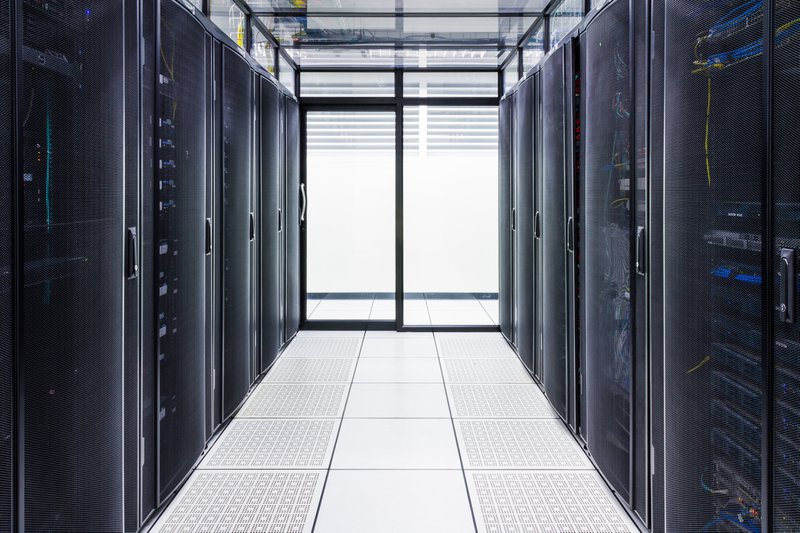
Making your data center energy efficient has many benefits—starting first and foremost with your bottom dollar. If you’re dumping half your energy budget into cooling, you’re wasting your money. Upgrading to liquid immersion can cut 95% of your cooling costs right away.
The cost savings aren’t only operational. You also save on upfront expenditures as you design your data center. There’s no need for generators, vast floor space, or other indirect costs—GRC’s immersion cooling system wipes out these unnecessary expenses.
A more energy-efficient liquid immersion cooling system also runs more quietly than air cooling. Think of the difference between a diesel engine and an electric vehicle. Technicians can talk right next to the immersion tanks without wearing ear protection or risking hearing loss.
What’s more, the many advantages of energy efficiency extend beyond your own organization. Wasting energy causes pollution and depletes resources in the environment. With efficient liquid cooling, you’re benefiting society now and in the future. Inefficient data centers risk fines and public backlash, while energy-efficient data centers receive acclaim and grants.
Boost Your Data Center’s Energy Efficiency with GRC
The amount of energy your facility uses to power and cool its servers matters to both your financial status and the environment. This makes it critical to improve the energy efficiency of data centers.
There are several approaches to boosting efficiency, but none are as practical as liquid immersion cooling. This new technology eliminates most unnecessary use of electricity in your data center. It also costs half as much as legacy air cooling—so deploying liquid immersion ASAP is an easy call.
GRC is the leading supplier of energy-efficient liquid immersion cooling systems. Whether you’re cooling just one rack or a hyperscale data center, the immersion racks are quick and easy to set up and will keep your servers running well for years while saving you money.
Are you ready to green your data center—and profit from doing so? Contact GRC to start improving energy efficiency in your facility.
Data center servers release heat during operation with subtle yet perilous effects. Many data centers use air-based cooling systems to blow this waste heat out into the atmosphere. These data center operators may only consider the ecological impact as an afterthought, if at all. However, dumping waste heat into the atmosphere has deep environmental effects.
Thankfully, there’s a revolutionary new data center cooling technology that can transform harmful waste heat into a valuable asset. Immersion cooling uses liquid instead of air to cool servers. The liquid coolant works over a thousand times more efficiently and enables the heat to be recycled.
There’s little we can do to keep data centers from producing heat. However, it doesn’t have to be waste heat that damages the environment. By using liquid immersion cooling from Green Revolution Cooling (GRC), you’ll undo the ecological impact of the excess heat. You’ll also enjoy an array of advantages, from competitive pricing to faster processor performance.
Data Centers Produce Waste Heat
A longstanding challenge for data centers is how to handle the heat emissions from IT equipment. Processors and other hardware invariably produce heat as a side effect of their electrical activity. But, you can’t just leave the heat where it’s emitted. That would overheat the IT equipment, resulting in poor performance and damage.
Data centers must handle the heat. This usually translates into the least-effort response: blowing the heat, and the air used for cooling, out of the building. While this may seem like an obvious response, it has an unwanted and typically unnoticed negative ecological impact.
The Deep Ecological Impact of Waste Heat
When heat goes from a data center into the open air, it worsens several key environmental problems. The waste heat increases global warming, but that’s only the start. Blowing the heat away with air conditioners takes electricity, and most of that electricity is generated from fossil fuels.
Producing electricity from fossil fuels is a messy process. It uses large amounts of water, and it releases carbon and various toxic chemicals into the atmosphere and soil. As such, blowing waste heat from data centers into the air poisons the planet’s environment on many fronts.
Taken together, data centers use more electricity and produce more pollution than entire countries—even more than the United Kingdom, the birthplace of the industrial revolution. And it’s not just electricity generation that poses a problem. Many other facets of data centers also harm the environment.
For instance, the batteries in uninterruptible power supply (UPS) systems and other parts use heavy metals that are mined and later disposed of—often improperly. There are also environmentally sensitive materials in the IT hardware. Of course, these make the problems occurring from waste heat dumping even more severe.
It behooves the data center industry to use ecologically responsible methods of managing waste heat. Organizations should do this of their own accord, but there is also mounting pressure from the public and new regulations to ensure data centers become sustainable.
With innovative technology from GRC, data centers can reduce the ecological impact of waste heat while saving money. They can even turn that waste heat into a useful resource.
Turn the Problem Into a Solution by Recycling Heat

There’s an alternative to the ecological disaster of air cooling. Liquid immersion cooling technology from GRC offers multiple simultaneous benefits. To start, it transports server heat in a liquid that doesn’t release the heat right into the atmosphere. As a result, you can now recycle server heat into productive outlets. You can even get paid for it.
For example, a data center can sell heat to a district heating system. Or you can just use the heat for your own building’s water and air. There are many other possible uses for recycled server heat, ranging from agriculture and aquaculture to manufacturing wood pellets and other goods.
Furthermore, liquid is a more efficient coolant than air, so you’re using less electricity. Immersion takes less coolant and less infrastructure to achieve more capable and even cooling. The servers are fully submerged in a coolant that protects against hot spots and overheating, oxidation, dust, vibrations, and many other threats.
These are just some of the benefits of upgrading to GRC’s liquid immersion cooling. This cooling system also saves you money, takes up less space, and is faster and easier to deploy. When it comes to the environment, you’ll use far fewer resources to cool your data center. And, you’ll actually be able to turn the waste heat “problem” into a profitable solution.
Make Your Ecological Impact Positive With GRC
With GRC’s sustainable cooling technology, you can make your ecological impact positive instead of negative. Unlike air cooling, the liquid immersion tanks capture 100% of server heat, so you can keep waste heat out of the atmosphere and even put it to good use.
Data center operators have long ignored waste server heat, but the environmental costs are adding up and people are taking notice. We can no longer afford to ignore the catastrophic effects of dumping heat into the air, let alone the emissions and waste stemming from unnecessary electricity generation.
Now’s the time for a green revolution in cooling data centers. Instead of worsening the climate with waste heat, turn server heat into a powerful ally. Liquid immersion cooling makes this possible at a lower cost than conventional air cooling.
Data centers around the globe are discovering the advantages of GRC’s immersion cooling systems. These organizations include large government agencies and corporate data centers, as well as the greenest supercomputer out there. Intel and other keystone tech companies have extensively tested immersion cooling systems and found them both cost-efficient and environmentally friendly.
Talk to GRC today about upgrading to a cooling solution that can also help heal the environment.
Flexibility will be a key consideration for data center companies in the coming year. In a complex business environment, companies will need to be able to make adjustments to remain competitive. In short, your designs must adapt to unfolding events. Key areas where data centers should have flexibility include cooling, power generation, infrastructure, and sustainability.
Demand for computation is increasing in all industries as companies vie to provide their customers with innovative experiences. To keep up with unpredictable needs, data centers need to become more responsive and efficient.
Power density drives performance, availability, and cost. Furthermore, density is going up with each generation of increasingly capable processors. This necessitates care in selecting the sources for data center power and in supplying appropriate cooling. It also affects the infrastructure requirements for each facility.
Flexibility is the watchword for data center companies in 2023. Being nimble will allow operators to rise to these challenges, offering unparalleled services at the right price while being responsible stewards of the environment.
Data Center Companies Can Now Use Flexible Cooling
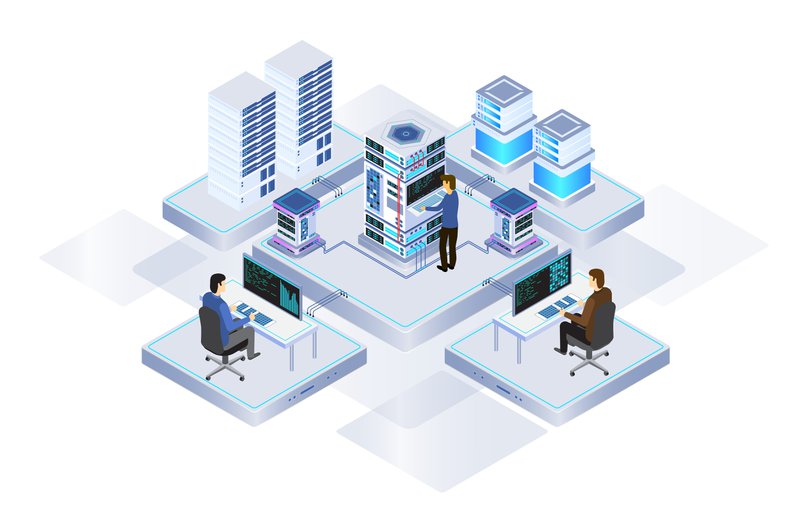
Cooling is one of the most important aspects of an adaptable data center. With conventional air cooling, you can’t be flexible in practice because it’s exceedingly difficult to design and build these systems. On the other hand, liquid immersion cooling from Green Revolution Cooling (GRC) makes data center companies more responsive. You can quickly and easily add cooling capacity to meet your needs.
The modular immersion tanks don’t require complex planning and design work; they’re already engineered and built. This wipes out the forecasting challenge typically faced in data center cooling. Now, you can deploy as much capacity as you need in a matter of weeks.
Processors are becoming more powerful, and old cooling systems are already struggling to support the load. Instead, use modern cooling solutions like liquid immersion to stay flexible as your data center installs even more energy-intense processors.
Liquid immersion cooling is also flexible in terms of where you can use it. Since GRC’s tanks don’t need raised floors or other modifications, you can install them anywhere you want. You can use liquid immersion cooling in the middle of a city or off a rural highway, in a warehouse or a parking lot—or even in a regular server room.
Power Generation Has Multiple Potential Sources
Data centers require a lot of electricity. How this power is generated affects stability and sustainability. Now, data centers can select among various alternative energy sources in addition to traditional fossil fuels. You can also purchase certificates showing your energy has been generated from renewable sources.
Dirty power sourcing is seen as one of the major flaws of data centers and digital technology in general. Until recently, polluting energy sources were more or less accepted. Now, data centers can run on clean energy from wind, solar, fuel cells, geothermal, and other sources. Of course, if you upgrade to GRC’s immersion cooling, you’ll use less electricity overall and require less power generation in general.
There’s also the choice of where your power is generated. Data center companies can generate electricity onsite or use power from the grid. Onsite power generation gives you more control over energy sources, making the facility more flexible. However, available sources and their costs vary depending on where the data center is located.
You can use onsite power generation from clean energy sources as a backup or as your main power source. Either way, it improves the stability of the data center’s power. To stay flexible, it’s generally a good idea to have two separate power supplies, whether from the grid or from independent sources.
Data Centers Can Lighten Their Infrastructure
Data center infrastructure generally takes a long time to build or modify. It can take months or years for electrical, mechanical, and other infrastructures to be put in place. Much of this costly delay is due to the complexity of air cooling.
Air cooling’s complexity poses other problems for data centers, too, such as high costs. It also requires large areas with a lot of electrical and mechanical supporting infrastructure.
Using liquid cooling instead speeds up data center builds and reduces costs. The tanks are available now, without the lengthy delays of older technology. Spend your time earning and serving customers instead of waiting for parts.
GRC’s immersion cooling simplifies infrastructure so you can use practically any space as a high-density data center. The tanks don’t require the same commitment to air handlers, chillers, humidity controls, generators, and so forth. With lighter infrastructure, you can quickly adapt to conditions, such as installing more server capacity in time to meet growing demand.
Sustainability Will Become a Priority for Data Center Companies
In 2023, sustainability will draw even more attention from regulators and customers. As such, data center companies must have the flexibility to adjust their operations toward more sustainable approaches. This requires efficiency and control over electricity, water, and carbon.
The flexibility garnered from renewable energy sources, smart liquid cooling from GRC, and efficient infrastructure all contribute to sustainability improvements. Single-phase liquid immersion cooling is the most sustainable data center technology for this purpose.
Liquid immersion cooling slashes the use of resources including electricity, water, and carbon, putting you in control of your sustainability projects. No longer forced to choose between performance and resource conservation, you can grow fast yet still keep emissions modest.
Flex Your Data Center Muscles with GRC
Adaptability will be essential for data center companies to succeed in 2023. When it comes to cooling, power generation, infrastructure, and sustainability, it’s best to be prepared.
GRC’s liquid immersion cooling systems are quick and easy to install so you can adjust to any situation. Immersion cooling also cuts your power use in half and drastically decreases the need for infrastructure. As a result, it becomes much easier to adapt your electrical and mechanical infrastructure.
For sustainability, the difference between liquid immersion cooling and the competition is night-and-day. Compared to air cooling, GRC’s liquid immersion cooling uses less electricity and water and produces fewer carbon emissions.
Join the growing number of data centers enjoying the flexibility of immersion cooling. It’s the technology you need to succeed in 2023. Contact GRC now to level-up your data center.
This season, consider a gift that improves the world while also delivering long-term improvements to your data center. At a time when energy use is on an increasing number of agendas, sustainable data centers make the perfect present!
Data center sustainability involves greater energy efficiency. By using electricity and other resources more carefully, a green data center reduces its effects on the environment. That same care with resources also lowers costs and drives superior performance.
In total, data centers already use around 1–2% of global electricity. This percentage is rapidly increasing, putting pressure on the industry to find more sustainable solutions. As data centers surpass other industries in energy use, they can no longer get away with inefficient practices.
Sustainability is rising to the top of corporate agendas, with most data centers competing to become more sustainable. This comes in response to the damage already caused to the environment. In addition, governments are increasing regulations, which will continue to push sustainability into more data centers.
Now you can make your data center more sustainable with Green Revolution Cooling’s (GRC) liquid immersion cooling. This technology uses 95% less electricity than regular air cooling. In fact, it’s such a game-changer that this one move will make huge inroads for your organization’s green computing goals.
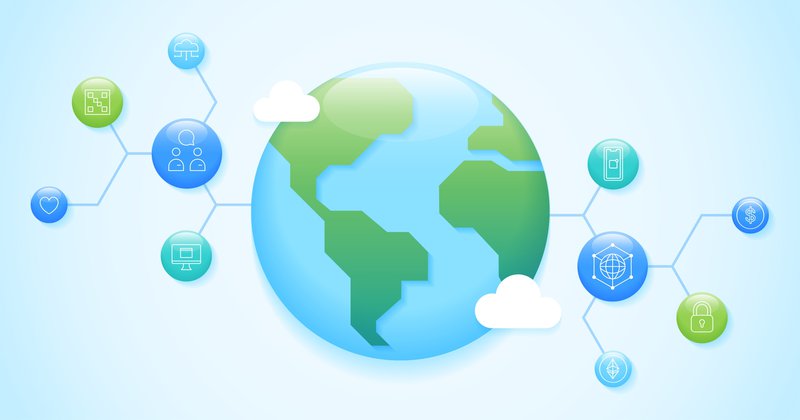
Why You Need a Sustainable Data Center
Sustainable data centers meet the needs of both the present and the future. By managing resources such as electricity and water, you can serve customers in a way that keeps the data center operating profitably for years.
Each data center requires resource inputs to convert into the computation that customers buy. A sustainable data center needs less input, so it saves you money and leaves energy sources untapped for later. Electricity is one of the main expenses that worry data centers, with cooling and IT equipment as the two biggest users of electricity.
Green data centers have numerous advantages over conventional data centers. In addition to lower operating costs, they need less real estate, which also lowers your capital expenses. Sustainable facilities also use less water and produce fewer carbon emissions.
These aren’t the only benefits. Sustainable data centers with liquid immersion cooling systems can also reuse waste heat. Technology such as GRC’s immersion tanks will transfer server heat into a liquid that you can recycle to heat a building’s air and water, among numerous other applications. This would not have been practical with traditional air-cooled data centers.
Data centers should also work on their sustainability to comply with growing government regulations. Some areas—particularly in Europe—already have stringent requirements, and the global direction is toward green regulations. Voters increasingly favor sustainability, and data center customers add pressure through their purchase decisions.
How to Make Your Data Center Sustainable
There are several approaches you can take to make sustainable data centers. One of the easiest and most effective is to install liquid immersion cooling. This technology performs much better than air cooling while using less electricity and water.
Another way immersion cooling helps sustainability is to reduce electronic waste (e-waste). GRC’s liquid coolant protects equipment against corrosion, dust, and overheating. And since you don’t need server fans anymore, the system also reduces vibrations. All these defenses extend the life of hardware.
Using renewable energy will also contribute to a data center’s sustainability. When burned, traditional fossil fuels emit carbon that has been stored in the earth. The fossil fuel itself then becomes gradually exhausted. By contrast, if you use renewable resources like wind and solar power, you eliminate these problems.
By measuring your resource use, you can evaluate how well or poorly your practices are working to create a green data center. For instance, there are standards including the power usage effectiveness (PUE), carbon usage effectiveness (CUE), and water usage effectiveness (WUE) metrics. Each of these calculates how your data center uses a resource, revealing which practices are most successful.
You can also work to attain sustainability certifications such as Leadership in Energy and Environmental Design (LEED). Each certification requires you to meet efficiency standards, so your data center will become more sustainable in the process of qualifying.
Of course, there are plenty of other ways to create sustainable data centers. For example, automation can make almost any process more efficient, so you could use artificial intelligence (AI) to optimize your energy use. It’s also a good idea to use efficient technologies such as LED lights and lithium batteries in backup supplies.
Companies That Have Gone Green
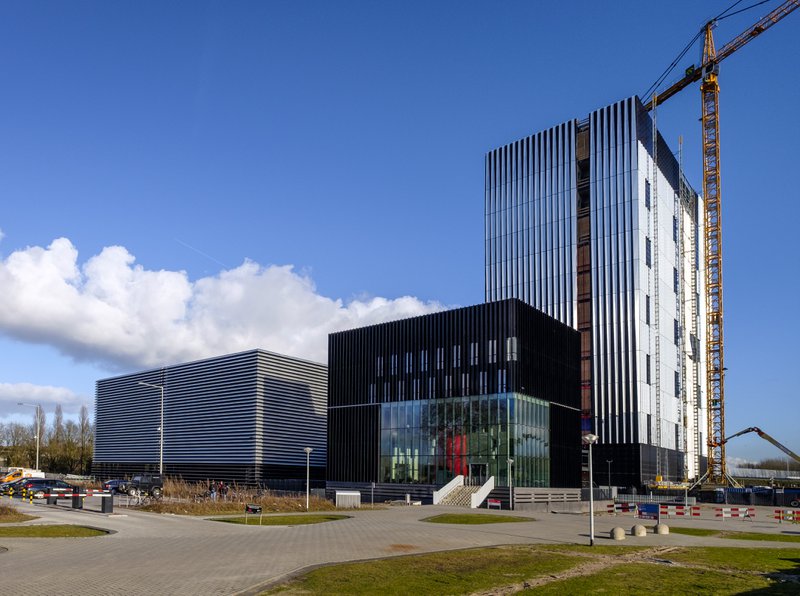
Some big names in tech have already switched to sustainable data centers. As a result, they’re seeing benefits such as smaller electricity bills and less waste. Resources now go toward meeting customer demands instead of spilling into the environment.
For instance, graphics card giant Nvidia is famous for power-hungry graphics processing units (GPUs). Now, it’s making energy-efficient cards for data centers with liquid cooling technology. Liquid transports heat far more efficiently than air can. The major server suppliers will support Nvidia’s liquid-cooled cards.
Intel, a member of GRC’s Global Alliance Partners, is another company that has been struggling with growing power use. Today, it is addressing this challenge with a $700 million project for sustainable data center cooling.
Web stalwarts Google and Facebook are making their global data center infrastructure green as well. Google is working to eliminate carbon from its energy sources, and Facebook has moved to entirely renewable resources with zero net emissions.
Join the Sustainable Data Centers Using Immersion Cooling
More and more companies are upgrading to sustainable data centers thanks to a growing desire from customers, regulators, and stakeholders to go green. Using sustainable technology like liquid immersion cooling also benefits your company through lower costs and higher performance.
Learn all the advantages of liquid immersion cooling in the Guide to Sustainability Metrics with GRC’s ICEraQ™—Going Beyond the Traditional Data Center.
Many companies have already transitioned to sustainable data centers. The benefits are clear and the trend is growing. Join the green revolution to protect the environment and boost profits. Contact GRC today for the gift that keeps on giving.
There’s been a recent uptick in attention to green cooling solutions. Is this just a fad, or will it affect the long-term direction of the industry? Increasingly powerful processors need more efficient heat dissipation. As a result, more data centers are opting for environmentally sustainable cooling solutions such as liquid immersion. It turns out there are several compelling reasons for the cooling industry to go green.
This is a long-term development in which data centers and the wider economy upgrade to ecological solutions. In fact, we can see the pattern of steady growth in green technology throughout the global economy. Society is demanding this progress, but it’s economically beneficial for data center operators as well. Green cooling solutions can keep data centers running while lowering construction and operating costs substantially.
The transition to environmentally friendly cooling has been underway long enough and grown stably enough that one can confidently see it’s more than just a flash in the pan. Rather, data center cooling is joining the broader economy in moving to highly resource-efficient and productive technologies.
However, it’s not just about technology. It’s also about adopting the right practices to create green data centers. With the appropriate measurements and efforts, any organization can go green. And each year, an increasing number of data centers are doing so.
New Interest in Green Cooling Solutions
Data center operators are installing green cooling solutions in new facilities and when they upgrade existing facilities. And with the challenges facing the continued operation of traditional air cooling, interest in a more sustainable alternative is growing steadily.
While air cooling has worked in the past, data center operators and the public are realizing the unsustainable hidden costs. For example, because air cooling doesn’t transport heat efficiently, it uses a lot of electricity; much of which is generated by burning fossil fuels. The outdated technology also has high upfront and operating expenses and can add months-long delays to build-outs.
Now, there are environmentally friendly cooling solutions on the market that are high-performing and affordable. Prime among these is liquid immersion cooling, which runs servers in a fluid that efficiently dissipates heat. There are also alternatives that use cold plates or cold outdoor air, but these have their own limitations compared to immersion.
For companies using green cooling, motivations include protecting the environment and protecting their own reputation. Investors are of course interested in the returns from more efficient cooling. For the public, interest in green cooling solutions is part of a wider interest in green technologies and sustainability. And regulators are also paying attention, with laws increasingly favoring green cooling and limiting older cooling techniques.
The Global Economy is Going Green

Green technology isn’t just relevant to server centers—and it’s not just what’s hot this year. Rather, the entire global economy is on a long-term course toward greener pastures. For years now, a range of environmentally sustainable products and practices have come to market, taking a larger share of practically every industry. Environmental innovation is not about to go away.
Green energy, green transportation, and green architecture are just a few examples of this widespread and enduring pattern. People in every sector have seen the rising tolls of reliance on polluting technology. They have said, “Enough!” and are busy working toward a cleaner future.
In some regards, the data center industry has been slow to adapt. For years, while other industries have embraced green technology, data centers have plodded along with their old air cooling. However, this is no longer tenable. With IT taking on a more prominent role in society each year, the public and regulators—and savvy data center operators—are pushing for green cooling solutions.
Cooling is the biggest drain on unsustainable electricity sources supporting the IT load. In some cases, air cooling uses even more electricity than the servers. To align itself with the global economy, the data center industry should switch to green cooling solutions like Green Revolution Cooling’s (GRC) resource-efficient liquid immersion system.
Green Cooling Solutions Are Reshaping Server Rooms of the Future
The technology behind green cooling has matured considerably and is already increasing its presence. Server rooms of the future will take energy-efficient cooling for granted, as cars are rapidly transitioning to electric power and countries are installing massive amounts of renewable energy-generating capacity.
Data centers will continue to deploy technology like liquid immersion cooling to slash electricity use, toxic emissions, and water waste. The pattern is widespread and consistent: green cooling is joining other green technologies in reshaping society for the better.
In addition, the economy needs more data with each passing year. To meet this demand, data centers are growing in number and size and, thus, having more impact on the environment. These pressures combine to make green cooling solutions the future of data center cooling, not just a craze.
There are also social, economic, and political forces directing data centers toward technologies like single-phase liquid immersion cooling. It’s the same reason other sectors such as transportation and energy are making such a strong shift. Eventually, the entire tech industry will adopt sustainable cooling. But companies that start sooner will have a leg up on the competition.
Sustainable cooling has achieved technical superiority over conventional air cooling. For example, GRC’s liquid immersion system keeps servers at a more even temperature, prevents corrosion and mechanical failures, and has a much lower total cost than air cooling. Green cooling can and will enable sustainability in data centers.
Prepare for the Future With GRC
Data centers are well on their way to using green cooling solutions as a standard technology. The industry has seen consistent migration to eco-friendly technology like liquid immersion cooling, so we can safely say green cooling is more than just a fad. This lines up with the even longer-term shift in thinking throughout the broader economy and society. The future is green.
However, you don’t have to wait for the future to make your data center green. Innovative technology is already available to keep your servers cool at a lower cost to the environment and to your budget. GRC has pioneered the industry-defining sustainable cooling solution: single-phase liquid immersion. Contact GRC to begin your green cooling journey today.
Cooling systems rank among the more expensive elements of a data center. Both operationally and in upfront costs, a cooling system is a sizable investment. It’s therefore important to consider your data center cooling system options carefully. The system you choose will influence your return on investment (ROI) and your facility’s performance.
There are several different types of cooling systems, each with their own design principles and capabilities. These cooling systems are not equivalent. In fact, the economic and technical differences among them are significant.
Many data centers run conventional air cooling, which works somewhat like an oversized air conditioner. While this was a decent solution for a number of years, it has trouble keeping up with the growing size of data centers. In response, a number of liquid-based cooling technologies have developed.
The liquid immersion cooling technologies differ from each other in terms of how close the liquid coolant gets to the servers. For example, rear-door heat exchangers (RDHx) bring liquid to the edge of the rack. Cold plate cooling pipes liquid right near the processors. Immersion cooling does even better by inserting entire servers directly into liquid.
The cooling technology you use doesn’t just affect aspects of your data center; it also affects the wider environment. A lot is riding on this decision, so it’s important to maximize the benefits.
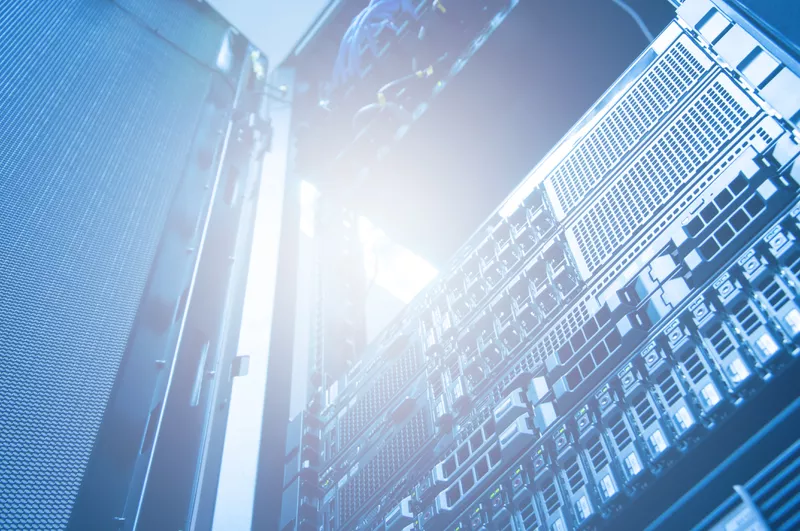
Your Data Center Cooling System Affects the Bottom Line
Cooling systems differ tremendously in their cost-effectiveness. A smart investment offers more bang for the buck: buy low, sell high. Each data center cooling system has upfront and long-term costs, which must be justified by the amount of server cooling they provide.
Traditional air cooling is one of the major upfront costs for data centers. Additionally, it forces operators to buy expensive and slow-to-acquire equipment, including generators, batteries, and humidity controls. Air cooling is more complex than its liquid-based alternatives.
Since complexity translates into high upfront costs, it’s smart to look for a simpler cooling system. Of all the cooling technologies now on the market, single-phase liquid immersion is the simplest. It’s also extremely cost-effective.
A single-phase immersion cooling system from Green Revolution Cooling (GRC) uses only three moving parts, and the system doesn’t require complex and expensive modifications and additions to your facility. This elegant simplicity lets you literally halve the capital and operating expenses for your data center cooling system.
Find out for yourself how much liquid immersion cooling can save with this total cost of ownership (TCO) calculator.
The Cooling System Determines Your Computational Capacity
The underlying simplicity or complexity of a data center cooling system also affects its cooling capacity. Cooling systems vary considerably in their technical capabilities. The computational capacity is an important metric to consider in your decision, especially as processors use far more electricity and produce far more heat each year.
Air cooling is expensive, and it has limited cooling capacity. Because air is such a poor transporter of heat, it takes huge amounts of air blown over servers to achieve even minimal cooling. It also drives up the need for an electrical infrastructure.
Liquid transports server heat much more effectively than air possibly can. This ability makes immersion cooling systems capable of handling larger computational loads. How much larger? For reference, many air cooling systems can only handle around 15 kilowatts per rack safely. By contrast, GRC’s liquid immersion can cool 368 kilowatts per rack.
GRC’s immersion cooling system offers virtually unlimited cooling capacity. This enables your data center to run the increasingly powerful hardware necessary for today’s demands—and for tomorrow’s. You can fit more processors into a smaller space. And, if you want to run cryptocurrency hashing, scientific calculations, high-speed financial transactions, or any other intensive operations, you can.
The Whole Facility is Affected by Your Cooling System
When you’re investing in a data center cooling system, you’re not just investing in the cooling system. You’re investing in the whole data center. Your choice impacts the entire facility, from the electrical and mechanical infrastructure to the IT infrastructure.
For example, air cooling systems require raised floors and complicated aisle containment. You’d also need the air handlers and chillers, plus a large floor space for air circulation. These requirements influence the design and construction of the data center, adding substantial costs. Air flow simulations and real estate aren’t cheap.
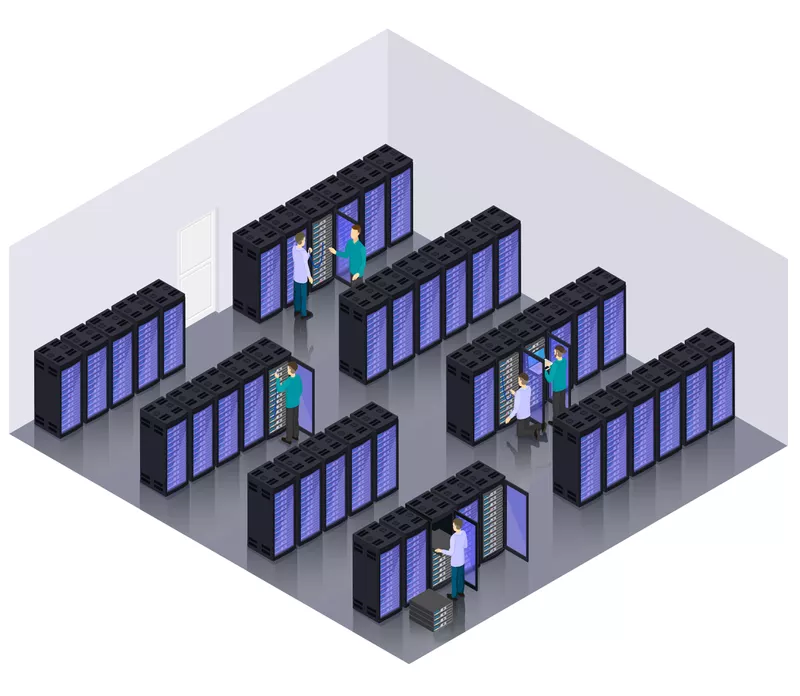
The good news is that immersion cooling systems streamline your whole operation. When you install GRC’s liquid immersion tanks, they take up minimal floor space, produce minimal noise, and require minimal electro-mechanical support.
Furthermore, the liquid coolant protects IT equipment against oxidation and corrosion, dust, vibrations, hot spots, humidity, and numerous other risks. Servers last longer with fewer repairs. In other words, your choice of cooling system is also a choice to extend the life of expensive hardware.
Your Data Center Cooling System Affects the Environment
With more and more companies developing sustainability initiatives and striving for green data centers, it’s important to bear in mind the effects of technology on the environment. In addition to the financial investment, a data center cooling system generates indirect environmental effects that significantly impact society as a whole. The differences among cooling technologies are as stark ecologically as they are economically.
Traditional air cooling systems have many unrecognized yet devastating effects on the environment. In particular, they waste electricity and water while dumping carbon into the environment. These effects went by largely unnoticed for decades while the industry paid little attention to the environment, but now they’re untenable.
By contrast, GRC’s liquid immersion cooling system is clean, using much less energy, water, and other resources. This green cooling solution fixes the serious ecological problems data centers are grappling with while boosting profitability throughout the data center and massively increasing computational performance.
Invest in the Smart Data Center Cooling System with GRC
Liquid immersion cooling from GRC is two times more cost-effective than air cooling. It also supports 20 times more computation. The positive effects of liquid cooling extend throughout the data center and to the broader environment, making it a smart investment. Contact GRC now to start earning more from your cooling.